
Lung Cancer
Lung Cancer: Symptoms, Causes & Prevention
Published By – Stree Welfare Foundation
🌐 https://swfindia.org/
Lung cancer is one of the most serious and common types of cancer worldwide. It occurs when abnormal cells in the lungs grow uncontrollably and form tumors, affecting the normal functioning of the lungs. If not detected early, it can spread to other parts of the body.
The main cause of lung cancer is smoking, but non-smokers can also develop this disease due to air pollution, secondhand smoke, and exposure to harmful substances like asbestos. Understanding the risk factors is important for prevention.
In the early stages, lung cancer may not show clear symptoms. However, as the disease progresses, common signs include persistent cough, chest pain, shortness of breath, coughing up blood, and unexplained weight loss. If any of these symptoms appear, immediate medical consultation is necessary.
Prevention plays a key role in reducing the risk of lung cancer. Avoiding smoking, staying away from polluted environments, maintaining a healthy diet, and regular health checkups can help protect your lungs.
Stree Welfare Foundation is committed to spreading awareness about lung cancer and encouraging early detection to save lives.
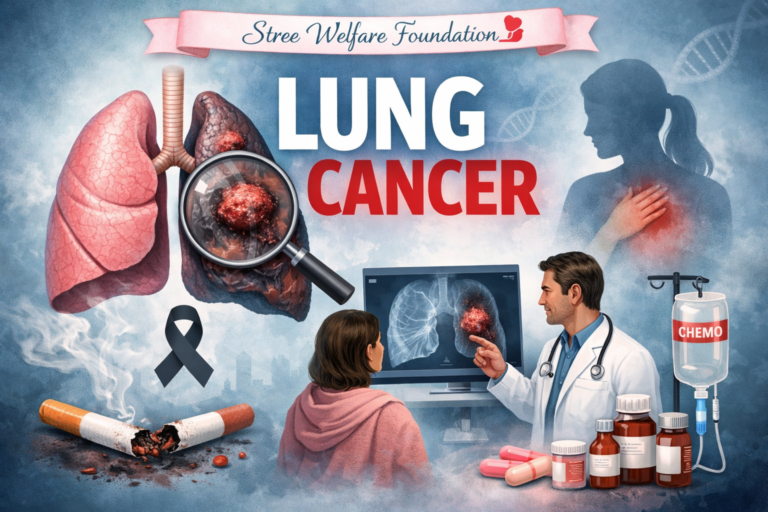
Lung Cancer: Causes, Symptoms, Prevention & Treatment | Complete Awareness Guide
Introduction
Lung cancer is one of the most serious and commonly diagnosed cancers worldwide. Every year, millions of people are affected, and it continues to be a leading cause of cancer-related deaths. However, the positive aspect is that with early detection, proper awareness, and healthy lifestyle choices, the risk can be significantly reduced and survival rates can improve.
At Stree Welfare Foundation, we are dedicated to spreading awareness about critical health conditions like lu. cancer. Our aim is to educate individuals so they can take preventive measures and seek timely medical attention.
In this comprehensive guide, we will cover everything you need to know about lung cancer, including its causes, symptoms, risk factors, diagnosis, treatment options, and prevention strategies.
What is Lung Cancer?
Lu. cancer is a condition in which abnormal cells in the lungs grow uncontrollably. The lungs play a vital role in breathing and supplying oxygen throughout the body.
When these abnormal cells multiply rapidly, they form tumors that interfere with normal lung function. If not treated at the right time, the cancer can spread to other parts of the body such as the brain, bones, or liver.
Types of Lung Cancer
Lung cancer is broadly classified into two main types:
1. Non-Small Cell Lung Cancer (NSCLC)
Accounts for approximately 85% of all lung cancer cases
Includes:
Adenocarcinoma
Squamous cell carcinoma
Large cell carcinoma
This type generally grows at a slower rate compared to other forms.
2. Small Cell Lung Cancer (SCLC)
Less common but more aggressive in nature
Tends to spread rapidly to other parts of the body
Strongly linked to heavy smoking
Identifying the type of lung cancer is essential for determining the most effective treatment plan.
Causes of Lung Cancer
Smoking is the leading cause of lung cancer, but it is not the only factor. Even individuals who have never smoked can develop this disease.
Major Causes Include:
Active smoking
Passive smoking (exposure to secondhand smoke)
Air pollution
Exposure to harmful substances such as asbestos and radon gas
Genetic or hereditary factors
Among these, smoking is responsible for the majority of lung cancer cases globally.
Risk Factors of Lung Cancer
Certain factors can increase the likelihood of developing lung cancer:
Long-term use of tobacco
Living in areas with high air pollution
Family history of cancer
Occupational exposure to harmful chemicals
Weakened immune system
Pre-existing lung diseases
Understanding these risk factors helps individuals take proactive steps toward prevention.
Symptoms of Lung Cancer
In the early stages, lu. cancer may not cause noticeable symptoms. As the disease progresses, the following signs may appear:
Common Symptoms:
Persistent cough that worsens over time
Coughing up blood or rust-colored sputum
Chest pain or discomfort
Shortness of breath
Unexplained weight loss
Constant fatigue
Hoarseness or voice changes
Frequent respiratory infections
If these symptoms persist, it is important to consult a doctor without delay.
How is Lung Cancer Diagnosed?
Early detection plays a crucial role in improving treatment outcomes. Doctors may use the following tests:
1. Imaging Tests
Chest X-ray
CT scan
PET scan
2. Sputum Cytology
A test to examine mucus for abnormal or cancerous cells.
3. Biopsy
A small tissue sample is collected to confirm the presence of cancer.
4. Bronchoscopy
A flexible tube is inserted into the lungs to examine the airways and collect samples.
Regular screening is especially important for individuals at high risk.
Stages of Lung Cancer
Lu. cancer is categorized into different stages based on how far it has spread:
Stage 1: Cancer is confined to the lungs
Stage 2: Cancer spreads to nearby lymph nodes
Stage 3: Cancer extends to surrounding tissues
Stage 4: Cancer spreads to distant organs
The stage of cancer helps doctors decide the most appropriate treatment approach.
Treatment Options for Lung Cancer
Treatment depends on the type, stage, and overall health of the patient.
Common Treatment Methods:
1. Surgery
Removal of the tumor or affected portion of the lung.
2. Radiation Therapy
Uses high-energy rays to destroy cancer cells.
3. Chemotherapy
Uses medicines to kill or slow the growth of cancer cells.
4. Targeted Therapy
Focuses on specific genetic changes in cancer cells.
5. Immunotherapy
Strengthens the body’s immune system to identify and destroy cancer cells more effectively.
Early diagnosis greatly increases the success rate of treatment.
Prevention of Lung Cancer
Although not all cases can be prevented, many can be avoided by adopting a healthy lifestyle.
Key Prevention Tips:
Quit smoking and avoid tobacco completely
Stay away from secondhand smoke
Reduce exposure to polluted air
Use protective gear in hazardous work environments
Maintain a balanced and nutritious diet
Exercise regularly
Go for routine health checkups
Why Lung Cancer Awareness is Important
In India, lu. cancer cases are rising due to increasing pollution and tobacco consumption. Unfortunately, lack of awareness often leads to late diagnosis, reducing the chances of successful treatment.
Awareness helps individuals:
Recognize early warning signs
Understand risk factors
Seek timely medical care
Organizations like Stree Welfare Foundation play a key role in spreading awareness through education and community programs.
Contribution of Stree Welfare Foundation
Stree Welfare Foundation is committed to improving public health awareness, especially among women and underserved communities.
Our initiatives include:
Conducting awareness campaigns
Organizing free health checkup camps
Promoting early cancer screening
Encouraging healthy lifestyle practices
For more details, visit:
👉 https://swfindia.org/
Lung Cancer in Non-Smokers
It is a common misconception that only smokers develop lu. cancer. In reality, non-smokers can also be affected.
Possible Causes:
Environmental pollution
Genetic factors
Exposure to radon gas
Passive smoking
This highlights the importance of awareness for everyone.
Tips for Healthy Lungs
Maintaining good lung health can reduce the risk of serious diseases:
Practice regular breathing exercises
Avoid polluted and dusty environments
Eat antioxidant-rich foods
Stay physically active
Stay hydrated
Conclusion
Lung cancer is a serious health condition, but it is largely preventable and treatable if detected early. Awareness, healthy habits, and regular medical checkups play a vital role in reducing its impact.
Everyone should prioritize their health and seek medical advice if they notice any unusual symptoms.
Stree Welfare Foundation continues to work towards building a healthier society by promoting awareness and encouraging early detection of diseases like lu. cancer.
Together, we can fight lung cancer and save lives.
Updated By – Stree Welfare Foundation
This article is regularly updated by Stree Welfare Foundation to ensure accurate and up-to-date information about lu. cancer awareness, prevention, and treatment.
Our mission is to educate and empower individuals to lead healthier lives.
For awareness programs and initiatives, visit:
👉 https://swfindia.org/