
Liver Cancer
Liver Cancer: Symptoms, Causes & Prevention
Liver cancer is a serious health condition that occurs when abnormal cells in the liver grow uncontrollably and form tumors. The liver plays a vital role in detoxifying the body, aiding digestion, and maintaining overall health. When cancer affects the liver, these essential functions can be disrupted.
The most common type of liver cancer is Hepatocellular Carcinoma (HCC), which develops in the main liver cells. Liver cancer can be caused by long-term liver damage due to conditions such as hepatitis B or C infection, liver cirrhosis, excessive alcohol consumption, and fatty liver disease.
In the early stages, liver cancer may not show clear symptoms. However, as it progresses, common signs may include unexplained weight loss, loss of appetite, abdominal pain, fatigue, and yellowing of the skin and eyes (jaundice). Early detection is very important for successful treatment.
There are several treatment options available depending on the stage of cancer, including surgery, liver transplant, chemotherapy, and targeted therapy. Adopting a healthy lifestyle can significantly reduce the risk of liver cancer.
Preventive measures include hepatitis B vaccination, avoiding alcohol and smoking, maintaining a balanced diet, and regular health checkups.
The Stree Welfare Foundation is dedicated to spreading awareness about liver cancer and encouraging early diagnosis. Increasing awareness and timely medical care can help save lives and build a healthier society.
👉 For more information, visit: https://swfindia.org/ 🌐
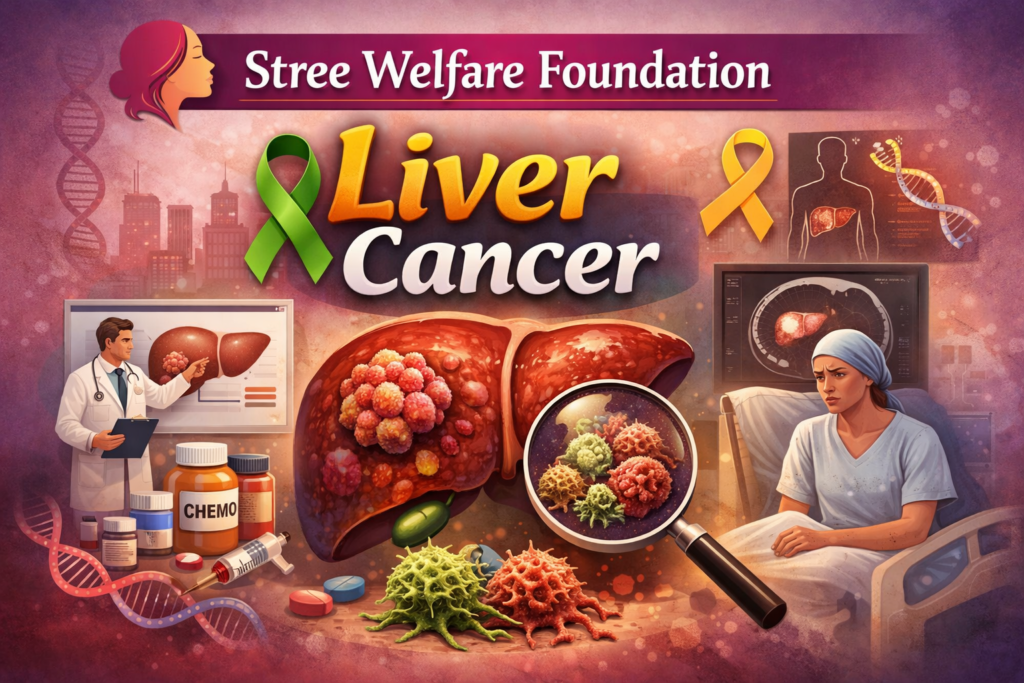
Liver Cancer: Causes, Symptoms, Prevention & Treatment Guide
Published by – Stree Welfare Foundation
👉 https://swfindia.org/
🔍 Introduction: Understanding Liver Cancer
Liver cancer is a serious and potentially life-threatening disease that affects thousands of people every year across the globe. It develops when abnormal cells in the liver begin to grow uncontrollably, forming tumors that interfere with the normal functioning of this vital organ.
The liver plays a crucial role in maintaining overall health. It helps detoxify harmful substances, produces essential proteins, and supports digestion. When cancer affects the liver, these important functions can be severely disrupted.
In India and many other countries, the number of liver cancer cases is rising due to lifestyle factors, infections, and lack of awareness. However, with early diagnosis, proper treatment, and preventive measures, the impact of this disease can be significantly reduced.
The Stree Welfare Foundation is committed to spreading awareness about L. cancer and encouraging individuals to take proactive steps toward prevention and early detection.
🧬 What is Liver Cancer?
L.p[;’\/ cancer is a condition in which malignant (cancerous) cells form in the tissues of the liver. The most common form is Hepatocellular Carcinoma (HCC), which originates in the primary liver cells known as hepatocytes.
Liver cancer is generally categorized into two types:
1. Primary Liver Cancer
This type begins in the liver itself. Common forms include:
Hepatocellular carcinoma (HCC)
Cholangiocarcinoma (bile duct cancer)
Angiosarcoma
2. Secondary (Metastatic) Liver Cancer
This occurs when cancer spreads to the liver from other parts of the body such as the colon, lungs, or breast. This type is more common than primary liver cancer.
⚠️ Causes of Liver Cancer
Liver cancer usually develops over time due to long-term damage to liver cells. Several underlying conditions and habits contribute to this disease:
🔹 Hepatitis B and C
Chronic infection with hepatitis B or hepatitis C virus is one of the leading causes of liver cancer worldwide.
🔹 Liver Cirrhosis
Cirrhosis refers to permanent scarring of the liver, often caused by alcohol abuse, infections, or fatty liver disease.
🔹 Alcohol Abuse
Excessive and prolonged alcohol consumption damages liver cells and significantly increases cancer risk.
🔹 Fatty Liver Disease
Non-alcoholic fatty liver disease (NAFLD), often linked to obesity, can lead to inflammation and liver damage.
🔹 Exposure to Harmful Toxins
Aflatoxins, commonly found in contaminated food grains, are known to increase the risk of liver cancer.
📊 Risk Factors You Should Know
Certain conditions and lifestyle choices can increase the chances of developing liver cancer:
Long-term hepatitis infection
Heavy alcohol consumption
Obesity and diabetes
Smoking
Family history of liver disease
Weak immune system
Poor diet and inactive lifestyle
Being aware of these risk factors helps in making better health decisions.
🚨 Symptoms of Liver Cancer
One of the major challenges with l. cancer is that it often shows no symptoms in its early stages. As the disease progresses, the following warning signs may appear:
Sudden and unexplained weight loss
Loss of appetite
Pain or discomfort in the upper abdomen
Nausea and vomiting
Persistent fatigue and weakness
Swelling or bloating in the abdomen
Yellowing of skin and eyes (jaundice)
If you notice any of these symptoms, it is important to seek medical attention without delay.
🧪 How is Liver Cancer Diagnosed?
Early detection plays a key role in improving treatment outcomes. Doctors may use the following methods to diagnose liver cancer:
1. Blood Tests
These help evaluate liver function and detect tumor markers such as AFP (Alpha-fetoprotein).
2. Imaging Techniques
Ultrasound
CT Scan
MRI
These scans help identify abnormalities or tumors in the liver.
3. Biopsy
A small sample of liver tissue is taken and examined under a microscope to confirm the presence of cancer cells.
💊 Treatment Options for Liver Cancer
The treatment approach depends on the stage of cancer, size of the tumor, and overall health of the patient.
🔹 Surgery
Surgical removal of the tumor or affected part of the liver.
🔹 Liver Transplant
In advanced cases, replacing the diseased liver with a healthy donor liver may be recommended.
🔹 Radiation Therapy
High-energy radiation is used to destroy cancer cells.
🔹 Chemotherapy
Medications are used to kill or slow the growth of cancer cells.
🔹 Targeted Therapy
Modern treatments that specifically target cancer cells while minimizing damage to healthy tissues.
Early-stage L. cancer has a significantly higher success rate with treatment.
🛡️ Prevention: How to Reduce the Risk
Preventing L. cancer involves adopting healthy habits and taking precautionary measures:
✅ Vaccination
Get vaccinated against hepatitis B to reduce infection risk.
✅ Healthy Lifestyle
Eat nutritious and balanced meals
Maintain a healthy weight
Exercise regularly
✅ Limit Alcohol Intake
Reducing alcohol consumption can protect liver health.
✅ Avoid Smoking
Smoking increases the risk of many cancers, including liver cancer.
✅ Regular Health Checkups
Routine screenings can help detect liver problems early.
🧠 Why Awareness Matters
A major reason why L. cancer is dangerous is late diagnosis. Many people ignore early signs or lack access to proper healthcare information.
Organizations like Stree Welfare Foundation play a crucial role in educating communities, organizing health camps, and promoting cancer awareness.
Increasing awareness leads to:
Early detection
Better treatment success
Reduced mortality rates
👩⚕️ Liver Cancer in India: A Growing Concern
Li. cancer is becoming increasingly common in India due to several factors:
High prevalence of hepatitis infections
Rising alcohol consumption
Lack of awareness and screening
Poor lifestyle habits
Many cases are diagnosed at advanced stages, making treatment more difficult. This highlights the urgent need for awareness campaigns and preventive healthcare.
🏁 Conclusion
Liver cancer is a serious health condition, but it is not unbeatable. With the right knowledge, early diagnosis, and preventive care, the risks can be minimized and outcomes improved.
Regular medical checkups, vaccination, and healthy lifestyle choices play a vital role in protecting liver health. Never ignore symptoms such as unexplained weight loss, abdominal pain, or jaundice early medical consultation can save lives.
The Stree Welfare Foundation continues to work toward building a healthier society by spreading awareness and supporting individuals in their fight against serious diseases like liver cancer.
👉 Visit for more health awareness initiatives:
https://swfindia.org/ 🌐