
How to Prevent Anemia in Women
How to Prevent Anemia in Women
Anemia is a common health problem among women, especially in developing countries like India. It occurs when the body lacks enough healthy red blood cells or hemoglobin to carry oxygen throughout the body. Women are more likely to develop anemia due to menstruation, pregnancy, and poor nutrition. Preventing anemia is important for maintaining energy levels, overall health, and a strong immune system.
One of the best ways to prevent anemia is by eating a balanced diet rich in iron. Foods such as spinach, green leafy vegetables, lentils, beans, dates, and pomegranates help increase hemoglobin levels. Including protein-rich foods like eggs, fish, and dairy products can also support better blood health.
Vitamin C also plays an important role in preventing anemia because it helps the body absorb iron more effectively. Fruits like oranges, guava, lemon, and amla should be included in the daily diet. Women should also avoid drinking tea or coffee immediately after meals, as these can reduce iron absorption.
Regular health checkups are essential for early detection of anemia. Awareness programs organized by organizations like Stree Welfare Foundation help educate women about proper nutrition, preventive healthcare, and the importance of maintaining healthy hemoglobin levels. With proper diet and awareness, anemia can be prevented and women can lead healthier lives.
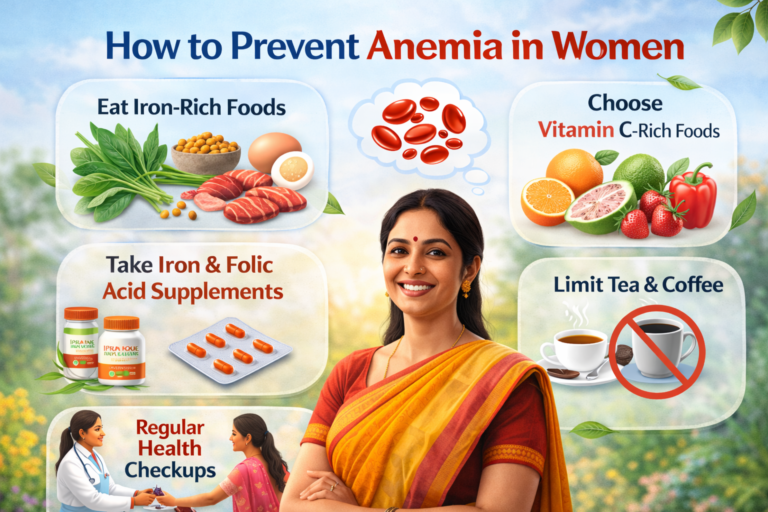
How to Prevent Anemia in Women – A Complete Health Guide
Introduction
Anemia is one of the most common health problems affecting women worldwide, especially in developing countries like India. According to health reports, a large percentage of women suffer from Anemia, mainly due to poor nutrition, iron deficiency, and lack of awareness about healthy dietary habits.
Women are more vulnerable to anemia because of menstruation, pregnancy, and nutritional deficiencies. If not treated on time, anemia can lead to fatigue, weakness, dizziness, and other serious health complications.
The Stree Welfare Foundation works actively to spread awareness about women’s health issues and promote preventive healthcare practices. In this article, we will discuss the causes, symptoms, and most importantly, effective ways to prevent anemia in women.
What is Anemia?
Anemia is a condition in which the body does not have enough healthy red blood cells to carry oxygen to tissues. This usually happens when the body lacks iron, vitamins, or other essential nutrients.
The most common type affecting women is Iron-Deficiency Anemia, which occurs when the body does not have enough iron to produce hemoglobin.
Hemoglobin is an important protein in red blood cells responsible for carrying oxygen throughout the body. Without adequate hemoglobin, the body cannot function properly.
Causes of Anemia in Women
There are several reasons why women are more likely to develop anemia. Understanding these causes is the first step toward prevention.
1. Iron Deficiency
Iron deficiency is the leading cause of anemia among women. A diet lacking iron-rich foods can lead to low hemoglobin levels.
2. Heavy Menstrual Bleeding
Women who experience heavy periods lose more blood than usual, increasing the risk of anemia.
3. Pregnancy
During pregnancy, the body needs more iron to support the baby’s growth. Without proper nutrition, anemia can easily develop.
4. Poor Nutrition
Diets lacking vitamins such as Vitamin B12 and folic acid can also contribute to anemia.
5. Chronic Illness
Certain diseases and infections may also reduce red blood cell production.
Common Symptoms of Anemia
Early detection is very important. Some common symptoms include:
Extreme fatigue and weakness
Pale or yellowish skin
Shortness of breath
Dizziness or headaches
Cold hands and feet
Rapid heartbeat
If these symptoms appear frequently, it is important to consult a healthcare professional.
How to Prevent Anemia in Women
Preventing anemia requires a combination of proper nutrition, healthy habits, and regular health checkups. The following steps can help women maintain healthy hemoglobin levels.
1. Eat Iron-Rich Foods
A balanced diet is the best way to prevent anemia. Women should include iron-rich foods such as:
Spinach and green leafy vegetables
Lentils and beans
Dates and raisins
Pomegranate
Eggs and fish
Whole grains
These foods help the body produce healthy red blood cells and improve hemoglobin levels.
2. Increase Vitamin C Intake
Vitamin C helps the body absorb iron more efficiently. Including foods rich in Vitamin C can improve iron absorption.
Examples include:
Oranges
Lemon
Guava
Tomatoes
Amla (Indian gooseberry)
Combining iron-rich foods with Vitamin C sources can significantly reduce the risk of anemia.
3. Take Iron and Folic Acid Supplements
In some cases, doctors may recommend iron and folic acid supplements to improve hemoglobin levels. These supplements are especially important for pregnant women.
However, supplements should only be taken after consulting a healthcare professional.
4. Maintain a Balanced Diet
Women should follow a nutritious diet that includes:
Iron
Vitamin B12
Folic acid
Protein
Calcium
A balanced diet strengthens the immune system and prevents many health problems.
5. Regular Health Checkups
Routine blood tests can help detect anemia early. Women should check their hemoglobin levels regularly, especially during pregnancy.
Early detection allows for timely treatment and prevents complications.
6. Avoid Excessive Tea and Coffee
Drinking too much tea or coffee may reduce iron absorption in the body. It is recommended to avoid consuming these beverages immediately after meals.
Importance of Awareness About Anemia
Many women ignore the early symptoms of anemia and continue their daily activities despite feeling weak and tired. Lack of awareness is one of the main reasons why anemia remains widespread.
Organizations like the Stree Welfare Foundation play a vital role in spreading awareness about women’s health. Through health camps, education programs, and community outreach, the foundation encourages women to prioritize their health and seek medical help when necessary.
Health awareness programs also help rural communities understand the importance of proper nutrition and regular medical checkups.
Role of Stree Welfare Foundation in Women’s Health
The Stree Welfare Foundation is committed to improving the health and well-being of women across communities. The organization works to educate women about common health issues such as Anemia, reproductive health, and cancer awareness.
Some key initiatives include:
Women health awareness programs
Free medical checkup camps
Nutritional awareness campaigns
Community education initiatives
By empowering women with knowledge, the foundation aims to create a healthier and stronger society.
Conclusion
Anemia is a serious yet preventable health condition that affects millions of women. With proper nutrition, regular health checkups, and increased awareness, anemia can be effectively prevented.
Women should prioritize their health by maintaining a balanced diet, consuming iron-rich foods, and seeking medical advice when needed.
Through awareness and education, organizations like the Stree Welfare Foundation continue to support women in leading healthier and more empowered lives.
Together, we can create a future where every woman has access to better healthcare and improved quality of life.