
healthy-lifestyle-tips-india
Published by – Stree Welfare Foundation
Website – https://swfindia.org/
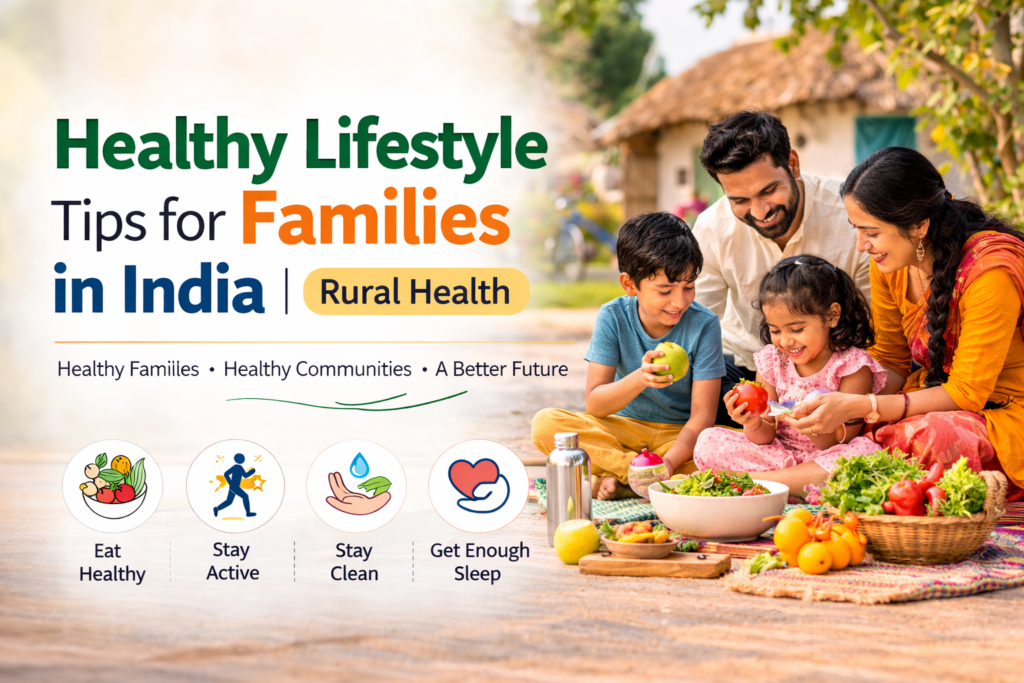
Healthy Lifestyle Tips for Families in India | Rural Health
A healthy lifestyle is essential for every family to live a long, productive, and happy life. In a diverse country like India, maintaining good health is important not only for individuals but also for communities. Families are the foundation of society, and when families adopt healthy habits, the overall health of the nation improves.
However, many people, especially those living in rural areas, still lack proper health awareness and access to healthcare information. This makes it essential to promote health education, preventive care, and healthy lifestyle practices.
Organizations such as Stree Welfare Foundation play an important role in spreading awareness about healthy living, women’s health, and disease prevention through community programs and social initiatives.
In this blog, we will explore healthy lifestyle tips for families in India and understand why health awareness in rural areas is extremely important.
What is a Healthy Lifestyle?
A healthy lifestyle means maintaining habits that improve physical, mental, and emotional well-being. It includes eating nutritious food, exercising regularly, getting enough sleep, maintaining hygiene, and avoiding harmful habits such as tobacco or excessive alcohol consumption.
A healthy lifestyle helps prevent many diseases such as Diabetes, Heart Disease, Obesity, and certain types of Cancer.
Families that follow healthy habits can improve their quality of life and reduce healthcare costs in the long run.
Healthy Lifestyle Tips for Families in India
1. Maintain a Balanced and Nutritious Diet
A balanced diet is one of the most important factors for maintaining good health. Families should include fresh fruits, vegetables, whole grains, pulses, dairy products, and protein-rich foods in their daily meals.
Traditional Indian foods such as lentils, vegetables, and whole grains provide essential nutrients that support the body’s immune system. Reducing processed foods, sugary drinks, and excessive oil consumption can significantly improve health.
A nutritious diet is especially important for children and women, as it helps in proper growth and prevents nutritional deficiencies.
2. Encourage Regular Physical Activity
Regular exercise is essential for maintaining a healthy body and mind. Families should encourage activities such as walking, cycling, yoga, and outdoor sports.
Physical activity helps maintain a healthy weight and reduces the risk of diseases such as Heart Disease and Diabetes.
Simple activities like family walks in the evening or morning yoga sessions can greatly improve overall fitness and well-being.
3. Maintain Proper Hygiene and Cleanliness
Personal hygiene plays a key role in preventing infections and diseases. Families should follow basic hygiene practices such as:
Washing hands regularly
Drinking clean and safe water
Maintaining clean surroundings
Practicing proper sanitation
Good hygiene helps prevent the spread of infectious diseases and improves the overall health of the family.
4. Ensure Regular Health Checkups
Regular medical checkups help detect diseases early and prevent serious health problems. Families should visit healthcare professionals for routine checkups and screenings.
For example, women should undergo regular screening for diseases such as Breast Cancer and Cervical Cancer.
Early detection significantly increases the chances of successful treatment and recovery.
5. Promote Mental Health and Stress Management
Mental health is just as important as physical health. Modern lifestyles often bring stress, anxiety, and emotional pressure.
Families should create a supportive environment where members can share their concerns openly. Activities such as meditation, yoga, spending time with family, and engaging in hobbies can help improve mental well-being.
A healthy mind contributes to a healthier lifestyle for the entire family.
6. Avoid Harmful Habits
Habits such as smoking, chewing tobacco, and excessive alcohol consumption can lead to serious health problems, including Oral Cancer and Lung Cancer.
Families should educate younger members about the dangers of these habits and encourage a healthy, substance-free lifestyle.
Importance of Health Awareness in Rural Areas
While urban areas have better access to healthcare information and facilities, many rural communities still face challenges related to health awareness and medical access.
Health awareness programs are crucial to improving the quality of life in rural areas.
1. Lack of Awareness About Preventive Healthcare
Many rural families are not fully aware of preventive healthcare practices such as vaccination, balanced nutrition, and regular medical checkups.
Health awareness campaigns help educate communities about disease prevention and healthy lifestyle practices.
2. Early Detection of Diseases
Many diseases become serious because they are detected late. Awareness programs help people recognize early symptoms of diseases such as Cancer and Tuberculosis.
Early diagnosis improves treatment outcomes and saves lives.
3. Improving Maternal and Child Health
Health awareness plays an important role in improving maternal and child health in rural areas. Educating mothers about proper nutrition, child vaccination, and prenatal care helps reduce health risks.
Programs that promote child vaccination protect children from diseases such as Polio and Measles.
4. Promoting Hygiene and Sanitation
Many diseases spread due to poor sanitation and lack of clean drinking water. Health awareness programs teach rural communities about proper hygiene practices, safe water usage, and sanitation.
Improving these practices significantly reduces the spread of infectious diseases.
5. Empowering Communities Through Education
Health education empowers individuals and communities to make informed decisions about their health.
When people understand the importance of healthy living, they are more likely to adopt preventive healthcare practices and encourage others to do the same.
Role of Stree Welfare Foundation in Health Awareness
Stree Welfare Foundation is actively involved in promoting health awareness and community development in India. The organization works to improve the lives of women, children, and families through education and healthcare initiatives.
The foundation organizes various programs such as:
Health awareness campaigns
Women health workshops
Cancer awareness programs
Community health camps
These initiatives aim to educate people about preventive healthcare and encourage healthy lifestyles in both urban and rural communities.
Conclusion
Healthy lifestyle habits are essential for families to live healthier and more productive lives. By adopting balanced nutrition, regular exercise, proper hygiene, and preventive healthcare practices, families can protect themselves from many diseases.
At the same time, increasing health awareness in rural areas is equally important. Education, awareness programs, and community initiatives can help bridge the healthcare gap and improve the quality of life for millions of people.
Organizations like Stree Welfare Foundation continue to play a vital role in spreading awareness and promoting healthier communities across India.
By working together—families, communities, healthcare professionals, and social organizations—we can build a healthier future for everyone.