
Kidney Cancer
Kidney Cancer: Causes, Symptoms and Prevention
Published By – Stree Welfare Foundation
Kidney Cancer is a serious medical condition in which abnormal cells in the kidneys grow uncontrollably and form a tumor. The kidneys play a crucial role in filtering waste, balancing fluids, and maintaining overall body health.
When their normal function is affected, it can lead to severe health complications if not addressed in time.
In the early stages, this disease may not show noticeable symptoms, making early detection challenging. As it progresses, individuals might experience signs such as blood in the urine, persistent pain in the lower back or side, unexplained weight loss, ongoing fatigue, and a loss of appetite.
Recognizing these symptoms early and consulting a healthcare professional can make a significant difference in treatment outcomes.
Although the exact cause is not always known, several risk factors contribute to its development. These include smoking, obesity, high blood pressure, family history, and prolonged exposure to harmful chemicals. Understanding these risk factors helps individuals take proactive steps toward prevention.
Maintaining a healthy lifestyle is one of the most effective ways to reduce the risk. Avoiding tobacco, consuming a balanced diet rich in nutrients, staying physically active, and scheduling regular medical checkups can greatly support kidney health. Early screening also plays an important role in identifying issues before they become serious.
The Stree Welfare Foundation is committed to spreading awareness about Kidney Cancer and encouraging people to prioritize their health through education, prevention, and timely diagnosis.
For more information, visit: https://swfindia.org/
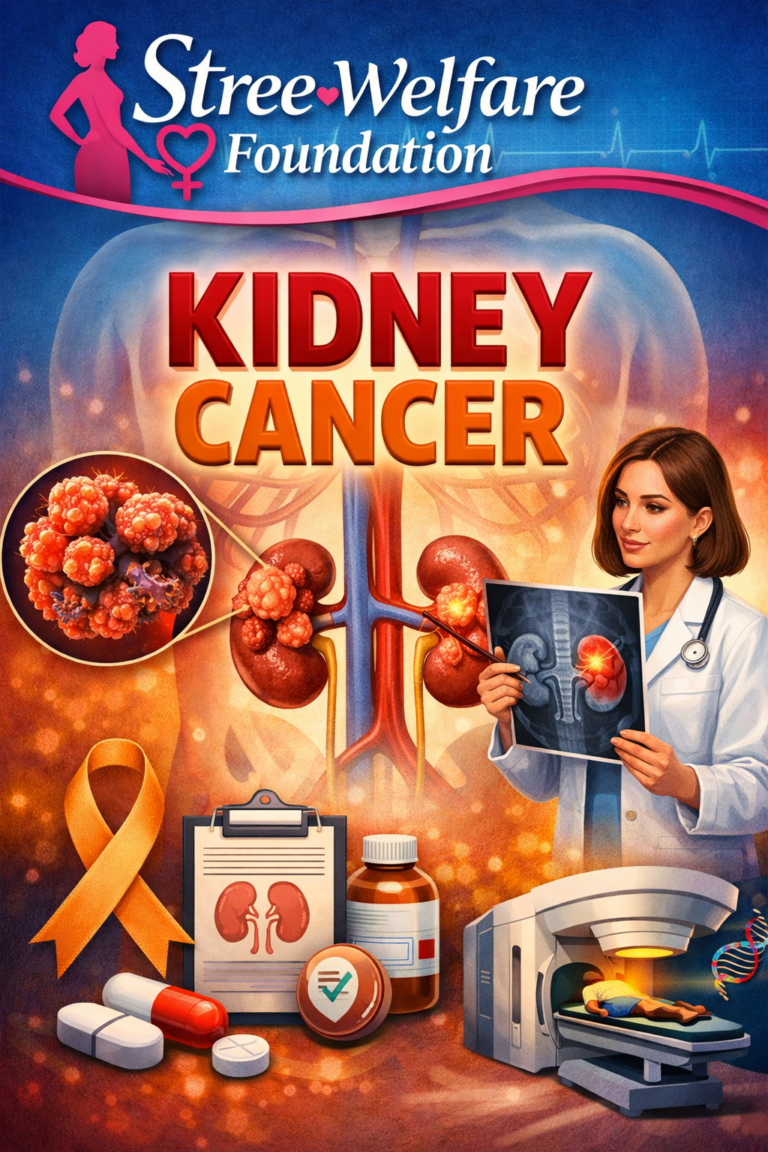
Kidney Cancer: Symptoms, Causes, Prevention, Diagnosis & Treatment Guide
Introduction
Kidney cancer is one of the most serious yet often overlooked types of cancer affecting both men and women worldwide. It develops when abnormal cells in the kidneys begin to grow uncontrollably, forming a tumor that can spread to other parts of the body if not detected early.
According to global health reports, kidney cancer cases have been rising steadily due to lifestyle changes, environmental factors, and lack of early screening. However, with proper awareness, early diagnosis, and timely treatment, the chances of recovery can significantly improve.
The Stree Welfare Foundation is committed to spreading awareness about life-threatening diseases like kidney cancer, ensuring that people understand its symptoms, causes, and prevention methods.
What is Kidney Cancer?
Kidney cancer occurs when abnormal cells develop in the tissues of the kidney and begin to grow uncontrollably. The kidneys are two bean-shaped organs located on either side of the spine, responsible for filtering blood, removing waste, and maintaining fluid balance in the body.
The most common type of kidney cancer in adults is Renal Cell Carcinoma (RCC), which accounts for nearly 85–90% of all kidney cancer cases. In children, a different type called Wilms Tumor is more common.
Kidney cancer can develop silently, and in many cases, it does not show noticeable symptoms in its early stages, making regular health checkups extremely important.
Types of Kidney Cancer
Understanding the different types of kidney cancer helps in accurate diagnosis and treatment planning.
1. Renal Cell Carcinoma (RCC)
The most common type, starting in the lining of the kidney tubules.
2. Urothelial Carcinoma
Also known as transitional cell carcinoma, it affects the lining of the renal pelvis.
3. Wilms Tumor
A rare kidney cancer that mainly affects children.
4. Renal Sarcoma
A rare form that begins in the connective tissues of the kidney.
Causes of Kidney Cancer
The exact cause of kidney cancer is not always known, but certain factors can increase the risk. These include genetic mutations that cause cells to grow abnormally.
Some major causes and contributing factors include:
Smoking
Obesity
High blood pressure (hypertension)
Long-term dialysis
Family history of kidney cancer
Exposure to harmful chemicals
Genetic conditions such as von Hippel-Lindau disease
Understanding these causes can help individuals take preventive measures and reduce their risk.
Risk Factors of Kidney Cancer
Certain groups of people are more likely to develop kidney cancer. These risk factors include:
Age above 50 years
Male gender (higher risk than females)
Smoking habits
Excess body weight
Chronic kidney disease
Workplace exposure to toxic substances
Unhealthy lifestyle
Awareness of these risk factors plays a crucial role in early detection and prevention.
Symptoms of Kidney Cancer
RCC (Renal Cell Carcinoma) may not show symptoms in its early stages. However, as the tumor grows, the following symptoms may appear:
Blood in urine (hematuria)
Persistent pain in the lower back or side
Unexplained weight loss
Fatigue and weakness
Fever that does not go away
Lump or mass in the abdominal area
Loss of appetite
If any of these symptoms are observed, it is important to consult a doctor immediately.
Diagnosis of Kidney Cancer
Early diagnosis is key to successful treatment. Doctors use several tests to detect RCC (Renal Cell Carcinoma):
1. Imaging Tests
CT Scan
MRI
Ultrasound
These help in identifying tumors in the kidneys.
2. Urine and Blood Tests
These tests check for abnormalities and kidney function.
3. Biopsy
A small tissue sample is taken to confirm whether the tumor is cancerous.
4. Intravenous Pyelogram (IVP)
A special X-ray used to examine the urinary system.
Regular health screenings can help detect kidney cancer before it progresses.
Stages of Kidney Cancer
Kidney cancer is classified into stages based on how far it has spread:
Stage 1: Tumor is small and confined to the kidney
Stage 2: Tumor is larger but still within the kidney
Stage 3: Cancer has spread to nearby tissues or lymph nodes
Stage 4: Cancer has spread to distant organs like lungs or bones
The stage of cancer determines the treatment plan and prognosis.
Treatment of Kidney Cancer
Treatment depends on the stage and overall health of the patient. Common treatment options include:
1. Surgery
Partial nephrectomy (removal of part of the kidney)
Radical nephrectomy (removal of the entire kidney)
2. Targeted Therapy
Drugs that specifically target cancer cells without harming normal cells.
3. Immunotherapy
Boosts the body’s immune system to fight cancer.
4. Radiation Therapy
Used in advanced stages to control symptoms.
5. Chemotherapy
Less commonly used but may be applied in certain cases.
Early-stage kidney cancer has a high success rate when treated promptly.
Prevention of Kidney Cancer
While not all cases can be prevented, adopting a healthy lifestyle can significantly reduce risk.
Healthy Lifestyle Tips:
Quit smoking
Maintain a healthy weight
Eat a balanced diet rich in fruits and vegetables
Exercise regularly
Control blood pressure
Stay hydrated
Avoid exposure to harmful chemicals
Preventive healthcare and awareness are essential for reducing the burden of kidney cancer.
Importance of Awareness
In India, many cases of kidney cancer are diagnosed at a later stage due to lack of awareness and limited access to healthcare facilities. This highlights the importance of awareness campaigns and community health programs.
The Stree Welfare Foundation plays an important role in promoting health education, organizing awareness campaigns, and encouraging regular health checkups. Through its initiatives, the foundation aims to empower individuals with knowledge and improve early detection rates.
Living with Kidney Cancer
A RCC (Renal Cell Carcinoma) diagnosis can be challenging, but with proper treatment and support, many patients can lead a healthy life. Emotional support, proper nutrition, and regular follow-ups are essential for recovery.
Patients are encouraged to:
Follow doctor’s advice strictly
Maintain a healthy routine
Seek emotional and psychological support
Stay informed about their condition
Support from family, healthcare providers, and organizations can make a significant difference.
Conclusion
RCC (Renal Cell Carcinoma) is a serious health condition, but it is treatable, especially when detected early. Understanding its symptoms, causes, and risk factors can help individuals take timely action and seek medical care.
Regular health checkups, a healthy lifestyle, and awareness play a vital role in preventing and managing kidney cancer. Early detection not only improves treatment outcomes but also saves lives.
The Stree Welfare Foundation remains dedicated to spreading awareness and providing accurate health information to the community. Its mission is to ensure that every individual, especially women and rural populations, has access to life-saving knowledge and healthcare support.
Updated By – Stree Welfare Foundation
This article is regularly updated by Stree Welfare Foundation to provide accurate, reliable, and up-to-date information about RCC (Renal Cell Carcinoma ) , its prevention, and treatment.
For more information, awareness programs, and health initiatives, visit:
https://swfindia.org/