
What is Cervical Cancer?
What is Cervical Cancer? | Causes, Symptoms & Prevention
Published By – Stree Welfare Foundation
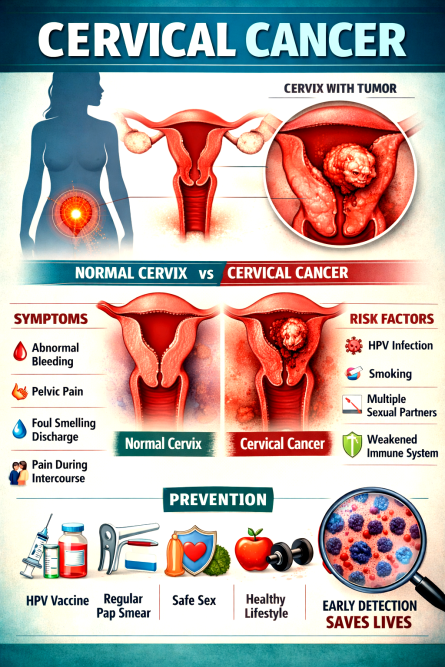
Cervical cancer is a serious disease that develops in the cervix, the lower part of the uterus that connects to the vagina. It occurs when the cells of the cervix start growing abnormally and lose control, which can lead to cancer. Cervical cancer usually develops slowly, and in its early stages, symptoms may not be noticeable.
The most common cause of cervical cancer is infection with the Human Papillomavirus (HPV). This virus can spread through sexual contact. Not all HPV infections lead to cancer, but certain high-risk types can damage the cervical cells and increase the risk of cancer. Other factors that may increase risk include smoking, a weakened immune system, multiple sexual partners, and long-term use of birth control pills.
Some common symptoms of cervical cancer include abnormal vaginal bleeding, pelvic pain, unusual discharge, and bleeding after sexual intercourse. Women may also experience pain during urination or changes in menstrual cycles. If any of these symptoms are observed, it is important to consult a doctor immediately.
Prevention of cervical cancer involves HPV vaccination, regular Pap smear screenings, and maintaining a healthy lifestyle, including a balanced diet, physical activity, and avoiding smoking. Early detection makes treatment possible and significantly reduces the risk.
Raising awareness about cervical cancer is essential so that women can take care of their health and undergo timely medical checkups. NGOs like Stree Welfare Foundation play a vital role in spreading knowledge, organizing health camps, and supporting women through information and resources to ensure early detection and treatment.
Cervical Cancer: Symptoms, Causes, Prevention & Treatment
What is Cervical Cancer?
Cervical cancer is a serious health problem that primarily affects women. Today, many women around the world face this disease. The good news is that if detected at an early stage, cervical cancer can be treated successfully, saving lives.
In this article, we will explain in simple language what cervical cancer is, how it develops, its symptoms, and how it can be prevented.
What is Cervical Cancer?
Cervical cancer is a type of cancer that develops in the cervix. The cervix is the lower part of the uterus (womb) that connects to the vagina.
When the cells of the cervix begin to grow abnormally and lose control, cervical cancer develops. This cancer grows slowly, and in the early stages, symptoms may not be noticeable.
This is why regular screening and health checkups are extremely important.
Main Cause of Cervical Cancer
Medical research shows that the primary cause of cervical cancer is infection with the Human Papillomavirus (HPV). HPV is a common virus that spreads through skin-to-skin contact or sexual activity.
Not every HPV infection leads to cancer, but certain high-risk HPV types can cause changes in the cervical cells that may develop into cancer.
Risk Factors of Cervical Cancer
Some factors increase the risk of cervical cancer:
HPV infection
Early age of marriage or sexual activity
Multiple sexual partners
Smoking
Weak immune system
Poor hygiene
Long-term use of birth control pills
Understanding these factors and raising awareness is crucial.
Symptoms of Cervical Cancer
In the early stages, symptoms may not appear. However, as the disease progresses, some signs may include:
Abnormal bleeding outside of periods
Bleeding after sexual intercourse
Pelvic pain or lower abdominal pain
Foul-smelling vaginal discharge
Unusual bleeding after menopause
If any of these symptoms are observed, it is important to consult a doctor immediately.
Diagnosis of Cervical Cancer
Doctors recommend the following tests for detecting cervical cancer:
Pap Smear Test – A screening test to examine cervical cells.
HPV Test – Detects HPV infection.
Biopsy – Confirms cancer by examining tissue samples if abnormal cells are found.
Regular screening helps detect cervical cancer at an early stage.
Treatment of Cervical Cancer
The treatment depends on the stage of cancer. Common options include:
Surgery
Radiation therapy
Chemotherapy
Targeted therapy
If detected early, the success rate of treatment is significantly higher.
Prevention of Cervical Cancer
Some effective ways to prevent cervical cancer include:
HPV Vaccination – Helps protect against cervical cancer.
Regular Screening – Pap smear tests should be done routinely.
Safe Lifestyle – Avoid smoking, follow safe sexual practices, maintain personal hygiene.
Health Awareness – Women should be aware of cervical cancer and its risks.
Importance of Cervical Cancer Awareness
Many women in India are not fully aware of cervical cancer, leading to late-stage diagnoses. NGOs and health organizations play a crucial role in awareness campaigns, free health camps, and screening programs. These initiatives help women get timely checkups and treatment.
Raising awareness about cervical cancer is vital because early detection significantly increases the chances of successful treatment and survival. Educating women about symptoms, risk factors, and preventive measures empowers them to take control of their health. Schools, community centers, and social media platforms can also be used to spread knowledge about HPV vaccination, regular Pap smear tests, and healthy lifestyle habits. The more women understand the risks and preventive strategies, the more lives can be saved through timely medical intervention.
Conclusion
Cervical cancer is a serious health problem, but early detection and proper prevention can control it effectively. Regular health checkups, HPV vaccination, and cervical cancer screening such as Pap smear tests are essential for protecting women from this disease.
Awareness and timely diagnosis can save many lives. Every woman should prioritize her health and consult a doctor if she notices unusual symptoms like abnormal bleeding, pelvic pain, or unusual discharge.
Stree Welfare Foundation is committed to raising health awareness in society and educating women about serious diseases like cervical cancer. The foundation aims to provide timely health information, screening, and support to every woman.
Building a healthy and aware society requires collective efforts to promote cervical cancer awareness and encourage women to seek medical help promptly.
Updated By – Stree Welfare Foundation
This article is regularly updated by Stree Welfare Foundation to provide accurate and up-to-date information about cervical cancer, health awareness, and prevention. Our goal is to improve health awareness in society and help women stay informed about their well-being.
For more information and social awareness initiatives, visit:
👉 https://swfindia.org/ 🌐