
Diffuse Large B-Cell Lymphoma
Diffuse Large B-Cell Lymphoma (DLBCL): A Quick Overview
Diffuse Large B-Cell Lymphoma (DLBCL) is one of the most common types of non-Hodgkin lymphoma, a cancer that affects the lymphatic system. It develops in B-lymphocytes, a type of white blood cell responsible for fighting infections. DLBCL is known for its aggressive nature, but the good news is that it is highly treatable, especially when diagnosed early.
Common symptoms of DLBCL include swollen lymph nodes in the neck, armpits, or groin, unexplained fever, night sweats, weight loss, and persistent fatigue. In some cases, patients may also experience chest pain, abdominal discomfort, or loss of appetite depending on where the lymphoma develops.
The exact cause of DLBCL is not fully known, but risk factors include a weakened immune system, infections, and increasing age. Diagnosis is usually done through biopsy, blood tests, and imaging scans.
Treatment typically involves chemotherapy, immunotherapy, and sometimes radiation therapy. Early detection significantly improves the chances of recovery.
Stree Welfare Foundation is dedicated to spreading awareness about cancers like DLBCL, encouraging early diagnosis, and promoting better health for all. For more information, visit: https://swfindia.org/ 🌐
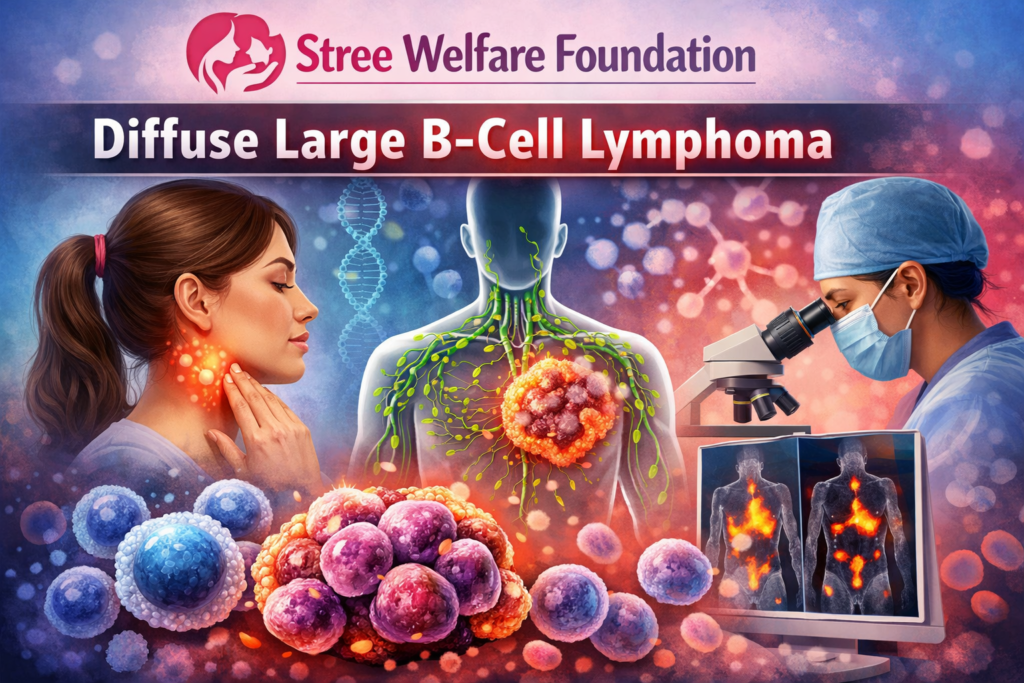
Diffuse Large B-Cell Lymphoma (DLBCL): Symptoms, Causes, Diagnosis, Treatment & Prevention
Published By – Stree Welfare Foundation
🌐 https://swfindia.org/
Introduction
Diffuse Large B-Cell Lymphoma (DLBCL) is one of the most common and aggressive types of non-Hodgkin lymphoma (NHL). It affects the lymphatic system, which plays a crucial role in the body’s immune defense. Despite being a fast-growing cancer, DLBCL is considered highly treatable, especially when diagnosed early.
At Stree Welfare Foundation, our mission is to spread awareness about serious health conditions like cancer and empower individuals—especially women—with the right information for early detection and timely treatment.
In this article, we will provide a complete guide to Diffuse Large B-Cell Lymphoma (DLBCL), including its symptoms, causes, risk factors, diagnosis, treatment options, and prevention strategies.
What is Diffuse Large B-Cell Lymphoma (DLBCL)?
Diffuse Large B-Cell Lymphoma (DLBCL) is a type of blood cancer that begins in the lymphocytes (a kind of white blood cell). These abnormal B-cells grow rapidly and form tumors in lymph nodes or other parts of the body such as the stomach, brain, liver, or bone marrow.
The term “diffuse” refers to how the cancer cells spread out in a scattered pattern, while “large B-cell” describes the size and type of the affected cells.
DLBCL can occur in both men and women and is more common in older adults, although it can affect people of any age.
Understanding the Lymphatic System
To understand DLBCL better, it is important to know about the lymphatic system:
It includes lymph nodes, spleen, thymus, and bone marrow
It helps fight infections and removes waste from the body
Lymphocytes (B-cells and T-cells) are essential for immunity
When B-cells become abnormal and multiply uncontrollably, lymphoma develops.
Types of DLBCL
DLBCL is not a single disease but includes different subtypes based on genetic and molecular characteristics:
Germinal Center B-cell-like (GCB)
Activated B-cell-like (ABC)
Primary Mediastinal B-cell Lymphoma
Double-hit or Triple-hit Lymphoma
Each subtype may respond differently to treatment, which is why accurate diagnosis is crucial.
Causes of Diffuse Large B-Cell Lymphoma
The exact cause of DLBCL is not fully understood. However, certain factors may increase the risk:
Weak immune system (HIV/AIDS, organ transplant patients)
Viral infections (Epstein-Barr virus, Hepatitis C)
Autoimmune diseases (rheumatoid arthritis, lupus)
Genetic mutations in B-cells
Exposure to chemicals or radiation
It is important to note that having these risk factors does not guarantee that a person will develop DLBCL.
Risk Factors
Some individuals may have a higher risk of developing DLBCL:
Age above 60 years
Male gender (slightly higher risk)
Family history of lymphoma
Chronic infections
Long-term use of immunosuppressive drugs
Awareness of these risk factors can help in early screening and prevention.
Symptoms of DLBCL
DLBCL symptoms can vary depending on where the cancer develops. Common symptoms include:
Common Symptoms:
Swollen lymph nodes (neck, armpit, groin)
Fever without infection
Night sweats
Unexplained weight loss
Persistent fatigue
Other Symptoms:
Chest pain or cough (if lymph nodes in chest are affected)
Abdominal pain or swelling
Loss of appetite
Skin rashes or itching
These are also known as “B symptoms” and are important indicators of lymphoma.
Diagnosis of DLBCL
Early diagnosis plays a vital role in successful treatment. Doctors may recommend the following tests:
1. Physical Examination
Checking for swollen lymph nodes and overall health condition.
2. Biopsy
A sample of lymph node tissue is examined under a microscope to confirm cancer.
3. Blood Tests
To evaluate overall health and detect abnormalities.
4. Imaging Tests
CT Scan
PET Scan
MRI
These tests help determine the stage and spread of cancer.
5. Bone Marrow Test
To check if cancer has spread to the bone marrow.
Staging of DLBCL
DLBCL is classified into stages:
Stage I – Cancer in one lymph node region
Stage II – Two or more lymph node regions on the same side
Stage III – Lymph nodes on both sides of the diaphragm
Stage IV – Cancer spreads to organs like liver, lungs, or bone marrow
Staging helps doctors decide the best treatment plan.
Treatment Options for DLBCL
DLBCL is aggressive but highly treatable. The treatment depends on the stage, subtype, and overall health.
1. Chemotherapy
The most common treatment is R-CHOP therapy, which includes a combination of drugs.
2. Immunotherapy
Uses the body’s immune system to fight cancer cells.
3. Radiation Therapy
Used in early stages or localized tumors.
4. Targeted Therapy
Focuses on specific cancer cell mechanisms.
5. Stem Cell Transplant
Recommended in advanced or relapsed cases.
Survival Rate and Prognosis
The survival rate of DLBCL has improved significantly with modern treatments.
Early-stage DLBCL has a high cure rate
Many patients respond well to treatment
Regular follow-ups are essential
Prognosis depends on age, stage, and response to therapy.
Prevention of DLBCL
There is no guaranteed way to prevent DLBCL, but certain steps can reduce the risk:
Maintain a strong immune system
Avoid exposure to harmful chemicals
Manage chronic infections
Follow a healthy lifestyle
Regular medical checkups
Importance of Awareness
In India, many cancer cases are diagnosed late due to lack of awareness. Organizations like Stree Welfare Foundation play a vital role in:
Spreading cancer awareness
Organizing health camps
Encouraging early screening
Supporting patients and families
Awareness can save lives by promoting early detection and timely treatment.
Lifestyle Tips for Patients
If diagnosed with DLBCL, patients should:
Follow doctor’s advice strictly
Maintain a balanced diet
Stay physically active (as advised)
Avoid stress and maintain mental health
Join support groups
Conclusion
Diffuse Large B-Cell Lymphoma (DLBCL) is a serious but treatable form of cancer. With early diagnosis and advanced medical treatments, many patients can achieve complete recovery.
Regular health checkups, awareness, and timely medical consultation are the key to fighting this disease. Every individual should pay attention to unusual symptoms and seek medical advice without delay.
Stree Welfare Foundation is committed to creating a healthier and more aware society by educating people about life-threatening diseases like DLBCL. Together, we can make a difference and save lives through awareness and action.
Updated By – Stree Welfare Foundation
This article is regularly updated by Stree Welfare Foundation to provide accurate and up-to-date information about cancer awareness, prevention, and treatment.
👉 For more health awareness and initiatives, visit:
🌐 https://swfindia.org/