
Acute Lymphoblastic Leukemia (ALL)
🩸 Acute Lymphoblastic Leukemia (ALL): A Short Overview
Acute Lymphoblastic Leukemia (ALL) is a fast-growing type of blood cancer that mainly affects children, though it can also occur in adults. It starts in the bone marrow, where abnormal white blood cells (lymphoblasts) grow rapidly and crowd out healthy blood cells. This can weaken the immune system and affect the body’s ability to fight infections.
Common symptoms of ALL include fatigue, frequent infections, fever, bone pain, and easy bruising or bleeding. In many cases, symptoms appear quickly, so early diagnosis is very important. Doctors usually diagnose ALL through blood tests, bone marrow tests, and other medical examinations.
Treatment options for ALL include chemotherapy, targeted therapy, and sometimes stem cell transplant. With modern medical advancements, the survival rate—especially in children—has improved significantly.
Although there is no guaranteed way to prevent ALL, maintaining a healthy lifestyle and regular health checkups can help in early detection.
Stree Welfare Foundation is dedicated to spreading awareness about serious diseases like leukemia and encouraging early diagnosis to save lives.
👉 Visit: https://swfindia.org/
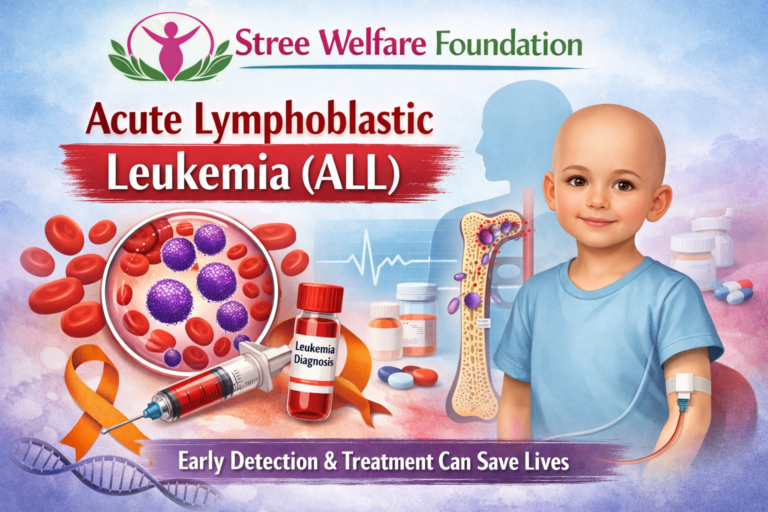
🩸 Acute Lymphoblastic Leukemia (ALL): Complete Guide on Symptoms, Causes, Diagnosis & Treatment
📌 Introduction
Acute Lymphoblastic Leukemia (ALL) is a fast-growing type of blood cancer that mainly affects children but can also occur in adults. It develops quickly and requires immediate medical care. With better awareness, timely diagnosis, and advanced treatments, the survival rate of ALL has improved significantly in recent years.
Stree Welfare Foundation is committed to spreading awareness about serious diseases like leukemia and helping communities—especially women and children—access reliable health information and support.
👉 For more health awareness initiatives, visit: https://swfindia.org/
🔬 Understanding Acute Lymphoblastic Leukemia (ALL)
Acute Lymphoblastic Leukemia (ALL) is a cancer that starts in the bone marrow—the soft tissue inside bones responsible for producing blood cells. It mainly affects lymphocytes, which are white blood cells that help the body fight infections.
In ALL, immature white blood cells (called lymphoblasts) multiply rapidly and accumulate in the bone marrow. This overcrowding prevents the production of healthy blood cells, including red blood cells, normal white cells, and platelets.
The word “acute” indicates that the disease progresses rapidly and needs urgent treatment.
📊 Who is at Higher Risk?
Most commonly diagnosed in young children (ages 2–5 years)
Can also affect teenagers and adults
Slightly higher occurrence in males
Increased risk in individuals with genetic conditions like Down syndrome
⚠️ Causes of Acute Lymphoblastic Leukemia
The exact cause of ALL is not always clear, but it is linked to changes (mutations) in the DNA of bone marrow cells. These mutations disrupt normal cell growth, causing uncontrolled multiplication of abnormal cells.
Common Causes May Include:
Genetic mutations
High exposure to radiation
Previous cancer treatments (chemotherapy or radiation)
Weak or compromised immune system
Certain inherited disorders
🚨 Risk Factors to Consider
Some factors may increase the likelihood of developing ALL:
Family history of leukemia
Exposure to harmful chemicals like benzene
Smoking or secondhand smoke exposure
Certain viral infections
Genetic abnormalities
Being aware of these risk factors can help in early detection.
🔍 Signs and Symptoms of ALL
Symptoms of Acute Lymphoblastic Leukemia often appear quickly and may worsen over time.
🧾 Common Symptoms Include:
Constant fatigue and weakness
Frequent infections due to low immunity
Fever and night sweats
Sudden or unexplained weight loss
Bone or joint pain
Swollen lymph nodes
Easy bruising or bleeding
Pale skin caused by anemia
In children, additional signs may include irritability, lack of appetite, and reduced activity levels.
👉 Immediate medical consultation is essential if these symptoms are observed.
🧪 How is ALL Diagnosed?
Early detection plays a crucial role in successful treatment. Doctors use multiple tests to diagnose ALL:
🩺 Diagnostic Methods:
Complete Blood Count (CBC) – Detects abnormal blood cell levels
Bone Marrow Examination – Confirms presence of leukemia cells
Imaging Tests (CT Scan, X-ray) – Helps identify spread
Lumbar Puncture (Spinal Tap) – Checks involvement of the brain and spinal cord
Routine health checkups can help identify the disease at an early stage.
💊 Treatment Options for ALL
Treatment depends on the patient’s age, health condition, and stage of cancer. The main goal is to destroy cancer cells and restore normal blood cell production.
🏥 Available Treatment Methods:
1. Chemotherapy
Primary and most effective treatment
Uses drugs to kill cancer cells
2. Targeted Therapy
Focuses on specific abnormalities in cancer cells
Reduces damage to healthy cells
3. Radiation Therapy
Used when cancer spreads to the brain or spinal cord
4. Stem Cell Transplant
Replaces damaged bone marrow with healthy stem cells
5. Immunotherapy
Strengthens the immune system to fight cancer
📈 Survival Rate and Prognosis
With modern medical advancements:
Children have a high survival rate of around 85–90%
Adults have comparatively lower survival rates, but outcomes are improving
Early diagnosis significantly increases the chances of successful treatment.
🛡️ Can Acute Lymphoblastic Leukemia Be Prevented?
There is no definite way to prevent ALL, but certain lifestyle choices can help reduce risk:
Avoid exposure to harmful chemicals
Limit unnecessary radiation exposure
Maintain a healthy and balanced diet
Avoid smoking and tobacco
Go for regular health checkups
👩⚕️ Why Awareness is Important
In India, many people are still unaware of blood cancers like ALL. Due to lack of awareness, diagnosis often happens at a later stage, reducing treatment effectiveness.
Awareness campaigns, early screening, and proper education can save lives.
🌍 Contribution of Stree Welfare Foundation
Stree Welfare Foundation plays a key role in promoting health awareness and supporting communities.
Key Initiatives:
Organizing cancer awareness campaigns
Conducting free health check-up camps
Educating women and families about diseases
Promoting early detection and prevention
👉 Support and learn more: https://swfindia.org/
🧠 Helpful Tips for Patients and Families
Stay mentally strong and seek emotional support
Follow medical advice and treatment plans strictly
Eat nutritious food and maintain hygiene
Avoid infections by taking precautions
Connect with support groups for guidance
🏁 Conclusion
Acute Lymphoblastic Leukemia (ALL) is a serious but treatable condition if detected early. Awareness, early diagnosis, and proper treatment can significantly improve survival rates.
Understanding symptoms, recognizing risk factors, and prioritizing regular health checkups are essential steps toward prevention and early intervention.
Stree Welfare Foundation continues to work towards building a healthier society by spreading awareness and supporting individuals affected by serious diseases like leukemia.
🔄 Updated By – Stree Welfare Foundation
This article is regularly updated by Stree Welfare Foundation to ensure accurate and up-to-date information about Acute Lymphoblastic Leukemia (ALL) and other health topics.
Our goal is to promote awareness, early diagnosis, and better healthcare access for all.
👉 Visit our website: https://swfindia.org/