
Gastric Cancer
Gastric Cancer (Stomach Cancer): Symptoms, Causes & Prevention
Published by – Stree Welfare Foundation
🌐 https://swfindia.org/
Gastric cancer, also known as stomach cancer, is a serious disease that develops in the lining of the stomach. It often grows slowly and may not show noticeable symptoms in the early stages, making awareness and regular health checkups extremely important.
One of the main causes of gastric cancer is infection with Helicobacter pylori (H. pylori) bacteria, which damages the stomach lining over time. Other risk factors include smoking, excessive alcohol consumption, unhealthy diet, obesity, and a family history of cancer. People who consume high amounts of salty, processed, or smoked foods are at higher risk.
In the early stages, symptoms of gastric cancer may include indigestion, mild stomach discomfort, loss of appetite, and feeling full quickly after eating. As the disease progresses, more serious symptoms may appear, such as persistent abdominal pain, nausea, unexplained weight loss, difficulty swallowing, and blood in the stool.
Early diagnosis plays a key role in successful treatment. Doctors may recommend tests like endoscopy, biopsy, and imaging scans to detect the disease. Treatment options depend on the stage of cancer and may include surgery, chemotherapy, radiation therapy, or targeted therapy.
Preventing gastric cancer involves adopting a healthy lifestyle. Eating a balanced diet rich in fruits and vegetables, avoiding smoking and alcohol, maintaining proper hygiene, and undergoing regular medical checkups can significantly reduce the risk.
The Stree Welfare Foundation is dedicated to spreading awareness about serious diseases like gastric cancer. Through education and health initiatives, the foundation aims to encourage early detection and promote a healthier society.
👉 Visit: https://swfindia.org/ for more health awareness content.
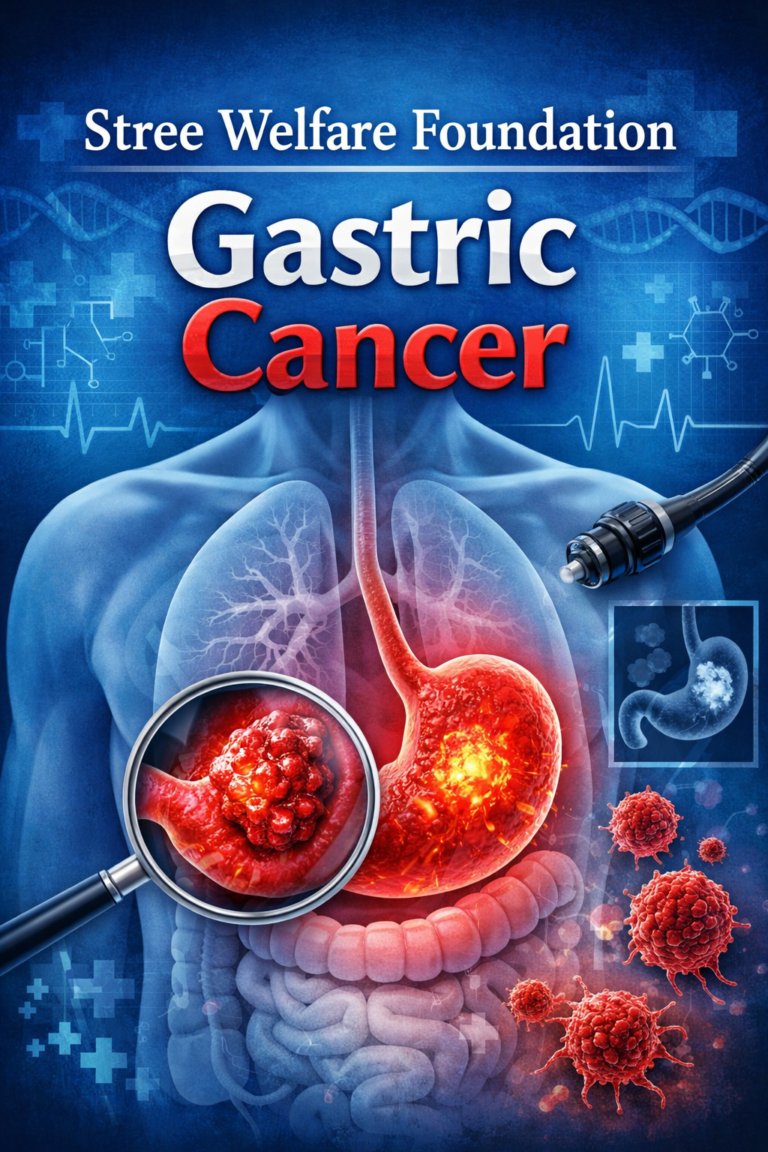
Gastric Cancer (Stomach Cancer): Symptoms, Causes, Prevention & Treatment Guide
Introduction
Gastric cancer, commonly known as stomach cancer, is one of the most serious health conditions affecting people worldwide. It develops in the lining of the stomach and can spread to other parts of the body if not detected early. Despite medical advancements, gastric cancer remains a major cause of cancer-related deaths, especially in developing countries like India.
The Stree Welfare Foundation is committed to spreading awareness about life-threatening diseases like gastric cancer so that individuals can take preventive steps and seek timely medical care. Early detection, awareness, and a healthy lifestyle play a crucial role in reducing the risk and improving survival rates.
In this comprehensive guide, we will cover everything you need to know about gastric cancer, including its symptoms, causes, risk factors, diagnosis, treatment options, and prevention strategies.
What is Gastric Cancer?
Gastric cancer, or stomach cancer, occurs when abnormal cells in the stomach lining begin to grow uncontrollably. These cancerous cells can form tumors and may spread (metastasize) to nearby organs such as the liver, pancreas, and lymph nodes.
The stomach plays a vital role in digestion by breaking down food. When cancer develops in this organ, it can interfere with normal digestion and overall health.
Most stomach cancers are classified as adenocarcinomas, which originate from the glandular cells of the stomach lining.
Types of Gastric Cancer
Understanding the types of gastric cancer helps in proper diagnosis and treatment:
1. Adenocarcinoma
The most common type (90–95% of cases)
Starts in the mucus-producing cells of the stomach lining
2. Lymphoma
Affects the immune system tissues in the stomach
3. Gastrointestinal Stromal Tumor (GIST)
Rare tumors that begin in the stomach wall
4. Carcinoid Tumors
Develop from hormone-producing cells
Causes of Gastric Cancer
There is no single cause of gastric cancer, but several factors contribute to its development. One of the most common causes is infection with Helicobacter pylori (H. pylori) bacteria, which damages the stomach lining over time.
Other contributing causes include:
Long-term inflammation of the stomach (chronic gastritis)
Poor diet (high in salty, smoked, or processed foods)
Tobacco use
Excessive alcohol consumption
Genetic mutations
Risk Factors of Stomach Cancer
Certain factors increase the risk of developing gastric cancer:
Age (more common in people over 50)
Gender (more common in men than women)
Family history of stomach cancer
Obesity
Smoking
Diet low in fruits and vegetables
H. pylori infection
Previous stomach surgery
Pernicious anemia
Understanding these risk factors helps individuals take preventive measures.
Symptoms of Gastric Cancer
In the early stages, gastric cancer often shows no symptoms. As the disease progresses, the following symptoms may appear:
Early Symptoms:
Indigestion or heartburn
Mild stomach discomfort
Loss of appetite
Feeling full quickly after eating
Advanced Symptoms:
Persistent abdominal pain
Nausea and vomiting
Difficulty swallowing
Unexplained weight loss
Blood in stool or black stools
Fatigue and weakness
⚠️ If you notice any of these symptoms, consult a doctor immediately for proper evaluation.
Diagnosis of Gastric Cancer
Early diagnosis significantly improves treatment outcomes. Doctors use several tests to detect gastric cancer:
1. Endoscopy
A flexible tube with a camera is used to examine the stomach lining.
2. Biopsy
A small tissue sample is taken during endoscopy to confirm cancer.
3. Imaging Tests
CT Scan
MRI
PET Scan
4. Blood Tests
Used to assess overall health and detect abnormalities.
Stages of Gastric Cancer
Stomach cancer is classified into stages based on how far it has spread:
Stage 0 (Early stage): Cancer is limited to the inner lining
Stage I: Cancer has started to spread slightly
Stage II & III: Cancer has spread deeper into the stomach and nearby lymph nodes
Stage IV: Cancer has spread to distant organs
Early-stage detection offers the best chance for successful treatment.
Treatment of Gastric Cancer
Treatment depends on the stage, type, and overall health of the patient.
1. Surgery
Removal of part or all of the stomach (gastrectomy)
Most effective in early stages
2. Chemotherapy
Uses drugs to kill cancer cells
Often used before or after surgery
3. Radiation Therapy
Uses high-energy rays to destroy cancer cells
4. Targeted Therapy
Targets specific cancer cells without harming normal cells
5. Immunotherapy
Boosts the body’s immune system to fight cancer
Prevention of Gastric Cancer
While not all cases can be prevented, certain lifestyle changes can significantly reduce the risk:
Healthy Diet
Eat fresh fruits and vegetables
Avoid processed and salty foods
Avoid Smoking and Alcohol
Smoking increases cancer risk
Limit alcohol consumption
Maintain Hygiene
Prevent H. pylori infection through proper hygiene
Regular Health Checkups
Especially important for high-risk individuals
Importance of Awareness
In India, many gastric cancer cases are diagnosed at a late stage due to lack of awareness. Early symptoms are often ignored or mistaken for common digestive issues.
Organizations like Stree Welfare Foundation play a vital role in spreading awareness through:
Health education programs
Free medical camps
Cancer screening initiatives
Women health awareness campaigns
Raising awareness can save lives by encouraging early diagnosis and timely treatment.
Diet and Lifestyle Tips for Patients
For individuals diagnosed with gastric cancer:
Eat small, frequent meals
Avoid spicy and oily foods
Stay hydrated
Follow doctor’s dietary advice
Maintain a positive mindset
When to See a Doctor?
Consult a doctor immediately if you experience:
Persistent stomach pain
Unexplained weight loss
Difficulty swallowing
Blood in stool
Chronic indigestion
Early consultation can make a life-saving difference.
Conclusion
Gastric cancer (stomach cancer) is a serious but potentially treatable disease if detected early. Awareness, healthy lifestyle choices, and regular medical checkups are key to prevention and early diagnosis.
Through awareness and education, many lives can be saved. Every individual should prioritize their health and seek medical advice when experiencing unusual symptoms.
Stree Welfare Foundation is dedicated to promoting health awareness and supporting communities in the fight against cancer. Our mission is to ensure that every individual, especially women, has access to the right information, early screening, and proper healthcare support.
Together, we can build a healthier and cancer-aware society.
Updated By – Stree Welfare Foundation
This article is regularly updated by Stree Welfare Foundation to provide accurate and up-to-date information on gastric cancer, prevention, and awareness.
👉 For more health awareness initiatives, visit:
🌐 https://swfindia.org/