
Endometrial Cancer
Endometrial Cancer: Causes, Symptoms & Prevention
Endometrial cancer develops in the inner lining of the uterus, called the endometrium. It is among the most common cancers in women, particularly those who have reached menopause. Detecting this condition early greatly increases the chances of effective treatment and recovery.
This cancer is often associated with hormonal imbalance, especially when estrogen levels are higher than progesterone. Several factors can increase the risk, including obesity, diabetes, hypertension, and a family history of cancer.
Some of the most noticeable symptoms include abnormal vaginal bleeding, especially after menopause, irregular menstrual cycles, pelvic discomfort, and unusual vaginal discharge. These warning signs should not be ignored, and immediate medical consultation is recommended.
Doctors typically diagnose endometrial cancer using methods such as pelvic exams, ultrasound scans, and endometrial biopsy. Treatment varies depending on the stage and may involve surgery, radiation therapy, or chemotherapy.
Adopting a healthy lifestyle, maintaining a balanced diet, and undergoing regular health checkups can help lower the risk.
👉 Stree Welfare Foundation works continuously to raise awareness about women’s health and promote early detection for better outcomes.
🔗 Visit: https://swfindia.org/
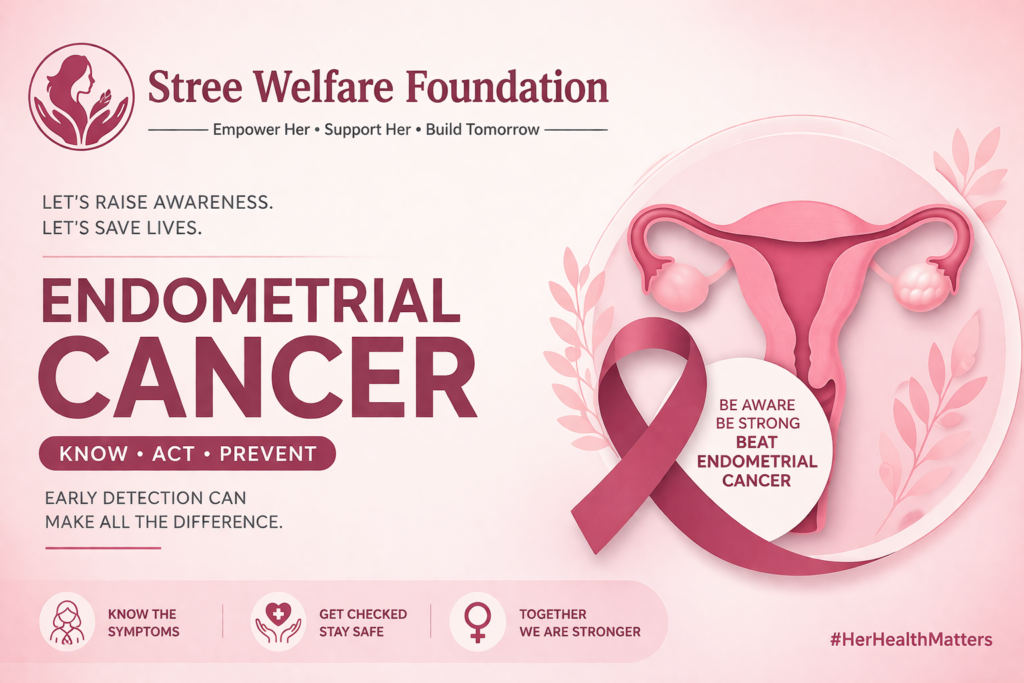
Endometrial Cancer: Symptoms, Causes, Prevention & Treatment | Complete Guide
Published by – Stree Welfare Foundation
👉 https://swfindia.org/
🔍 Introduction
Endometrial cancer is a significant health concern affecting women across the globe. It originates in the inner lining of the uterus, known as the endometrium. In recent years, the number of cases has increased due to lifestyle changes, hormonal imbalances, and lack of early awareness—especially in countries like India.
The positive aspect is that endometrial cancer can often be successfully treated when detected at an early stage. By understanding its symptoms, causes, and preventive measures, women can take timely steps toward better health.
This comprehensive guide by Stree Welfare Foundation is designed to educate and spread awareness about endometrial cancer, helping women make informed health decisions.
🧠 What is Endometrial Cancer?
Endometrial cancer is a type of cancer that develops in the endometrium, the inner lining of the uterus. The uterus plays a vital role in reproduction, providing a space where a baby grows during pregnancy.
When the cells of the endometrium begin to grow abnormally and uncontrollably, they can form cancerous tissues. This condition is more commonly seen in postmenopausal women, although younger women may also be affected in some cases.
📊 Types of Endometrial Cancer
Endometrial cancer is mainly divided into two categories:
1. Type 1 Endometrial Cancer
The most common form
Generally slow-growing
Often linked to excess estrogen levels
Usually has a better prognosis
2. Type 2 Endometrial Cancer
Less common but more aggressive
Not directly related to estrogen
Higher chances of spreading to other parts
⚠️ Causes of Endometrial Cancer
The exact cause of endometrial cancer is not always clear, but it is strongly associated with hormonal imbalance, particularly when estrogen levels are higher than progesterone.
Common Contributing Factors:
Hormonal imbalance
Obesity
Diabetes
High blood pressure
Genetic predisposition
Late menopause
Not having children
🚨 Risk Factors
Certain conditions and lifestyle factors can increase the likelihood of developing endometrial cancer:
Age above 50 years
Excess body weight
Polycystic Ovary Syndrome (PCOS)
Family history of cancer
Hormone therapy without progesterone
Early onset of menstruation
Late menopause
Being aware of these risk factors can help in early prevention and timely screening.
🔔 Symptoms of Endometrial Cancer
Early detection is key, and recognizing symptoms can make a big difference.
Common Warning Signs:
Abnormal vaginal bleeding, especially after menopause
Irregular periods
Pain in the pelvic region
Discomfort during intercourse
Unusual or foul-smelling vaginal discharge
Sudden weight loss without reason
👉 Important: Any unusual bleeding should never be ignored and must be checked by a healthcare professional.
🧪 Diagnosis of Endometrial Cancer
Doctors may use the following methods to diagnose endometrial cancer:
1. Pelvic Examination
Checks for any visible abnormalities in reproductive organs.
2. Ultrasound Scan
Helps detect thickening of the uterine lining.
3. Endometrial Biopsy
A tissue sample is collected for laboratory testing.
4. Hysteroscopy
A camera is used to closely examine the uterus.
5. Imaging Tests (CT/MRI)
Used to determine if cancer has spread.
Early diagnosis improves treatment outcomes significantly.
💊 Treatment Options
Treatment depends on the stage, type, and overall health of the patient.
Common Treatment Methods:
🏥 Surgery
Removal of the uterus (hysterectomy)
May include removal of ovaries and fallopian tubes
☢️ Radiation Therapy
Uses high-energy rays to destroy cancer cells
💉 Chemotherapy
Drugs are used to kill or stop the growth of cancer cells
🎯 Hormone Therapy
Helps block hormones that may promote cancer growth
🧬 Targeted Therapy
Targets specific cancer cell mechanisms
👉 Early-stage detection increases the chances of successful treatment.
🛡️ Prevention of Endometrial Cancer
Although prevention is not always possible, certain steps can reduce the risk:
Effective Prevention Strategies:
Maintain a healthy body weight
Engage in regular physical activity
Follow a balanced and nutritious diet
Control diabetes and blood pressure
Avoid unnecessary hormonal treatments
Undergo regular gynecological checkups
👩⚕️ Importance of Awareness
In many parts of India, lack of awareness and social stigma prevent women from seeking timely medical help. This often results in late diagnosis.
Organizations like Stree Welfare Foundation are actively working to:
Spread health awareness
Conduct free health camps
Encourage regular screening
Educate women about reproductive health
Awareness plays a crucial role in saving lives.
🌍 Endometrial Cancer in India
The incidence of endometrial cancer is rising in India due to:
Sedentary lifestyles
Increasing obesity
Hormonal disorders
Lack of regular health checkups
However, improved awareness and better healthcare facilities are helping in early detection.
💡 Healthy Lifestyle Tips
Adopting a healthy lifestyle can significantly reduce cancer risk:
Stay active and exercise daily
Avoid junk and processed foods
Limit sugar intake
Quit smoking
Reduce alcohol consumption
Practice stress management techniques
🏁 Conclusion
Endometrial cancer is a serious condition, but with early detection and proper care, it can be effectively treated. Awareness, regular checkups, and a healthy lifestyle are the key factors in prevention and management.
👉 Stree Welfare Foundation remains dedicated to empowering women with the right health information and support. Together, we can build a healthier and more informed society.
📢 About Stree Welfare Foundation
Stree Welfare Foundation works towards improving women’s health, education, and overall well-being. Through awareness programs, medical camps, and social initiatives, the foundation aims to create a positive impact across communities.
🔗 Visit us: https://swfindia.org/