
PCOS Problem in Women
PCOS Problem in Women: A Growing Health Concern
Polycystic Ovary Syndrome (PCOS) is a common hormonal disorder affecting millions of women in India. The Stree Welfare Foundation is actively spreading awareness about this condition to help women understand and manage their health better.
PCOS occurs when there is a hormonal imbalance in the body, leading to irregular menstrual cycles, weight gain, acne, and excessive hair growth. In many cases, women may also face difficulty in conceiving due to irregular ovulation.
One of the major causes of PCOS is insulin resistance, along with genetic and lifestyle factors. Early diagnosis is very important to prevent long-term health issues such as diabetes, heart disease, and infertility.
Managing PCOS requires simple lifestyle changes like maintaining a healthy diet, regular exercise, stress management, and proper sleep. Medical treatment can also help regulate hormones and improve symptoms.
The Stree Welfare Foundation conducts health camps and awareness programs to educate women about PCOS and encourage early detection.
By spreading awareness and adopting healthy habits, we can take a step toward a healthier and empowered future for women.
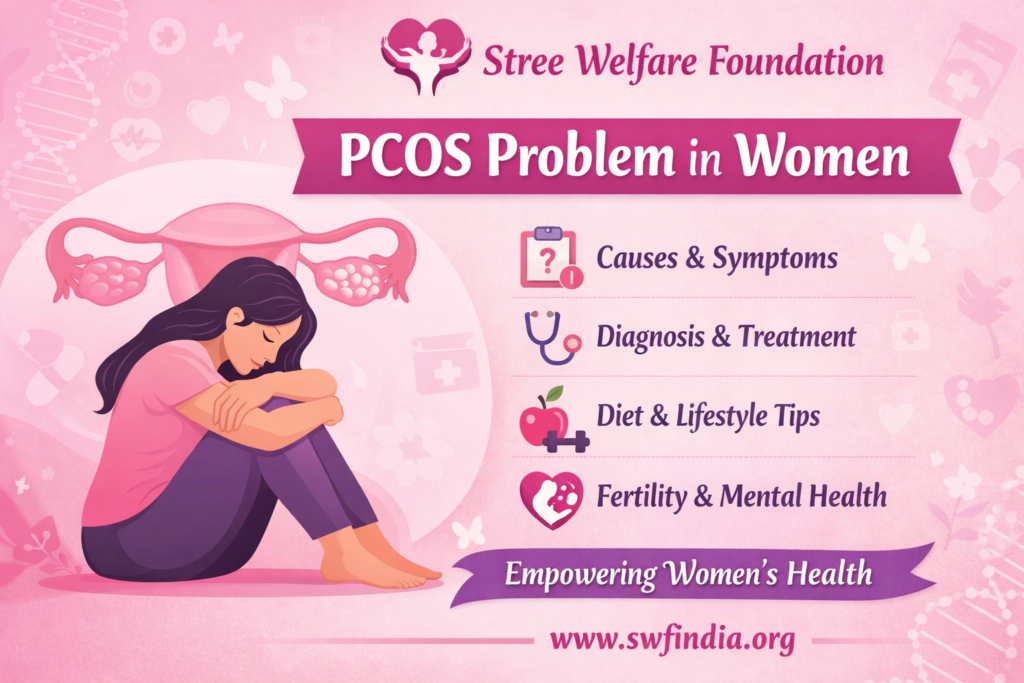
PCOS Problem in Women: Causes, Symptoms, Treatment & Prevention | Stree Welfare Foundation
Introduction
Polycystic Ovary Syndrome (PCOS) is one of the most common hormonal disorders affecting women in India and across the world. It is estimated that 1 in 5 women of reproductive age suffers from PCOS, yet many remain undiagnosed due to lack of awareness.
The Stree Welfare Foundation is actively working to spread awareness about women’s health issues, including PCOS, through education programs, health camps, and community outreach initiatives.
In this detailed guide, we will explore everything about the PCOS problem in women, including causes, symptoms, diagnosis, treatment, and lifestyle changes that can help manage this condition.
What is PCOS?
PCOS (Polycystic Ovary Syndrome) is a hormonal imbalance where the ovaries produce excess androgens (male hormones). This imbalance can affect ovulation, menstrual cycles, and overall reproductive health.
Women with PCOS may develop small fluid-filled sacs (cysts) in their ovaries, although not all women with PCOS have cysts.
Causes of PCOS in Women
The exact cause of PCOS is still unknown, but several factors contribute to its development:
1. Hormonal Imbalance
Excess production of androgens disrupts ovulation.
2. Insulin Resistance
Many women with PCOS have insulin resistance, which leads to higher insulin levels and increased androgen production.
3. Genetic Factors
PCOS often runs in families.
4. Inflammation
Low-grade inflammation in the body may stimulate ovaries to produce more male hormones.
Common Symptoms of PCOS
Recognizing the symptoms early is important for proper treatment.
1. Irregular Periods
Missed or delayed menstrual cycles
Heavy or light bleeding
2. Weight Gain
Especially around the abdomen
3. Acne and Oily Skin
Due to hormonal imbalance
4. Excess Hair Growth (Hirsutism)
On face, chest, or back
5. Hair Thinning
Hair loss similar to male pattern baldness
6. Difficulty in Pregnancy
Irregular ovulation affects fertility
The Stree Welfare Foundation emphasizes early detection through awareness campaigns in rural and urban areas.
How PCOS Affects Women’s Health
PCOS is not just a reproductive disorder; it affects overall health:
Increased risk of type 2 diabetes
High blood pressure
Heart disease
Mental health issues (anxiety, depression)
Diagnosis of PCOS
Doctors usually diagnose PCOS based on:
1. Medical History
Menstrual irregularities and symptoms
2. Physical Examination
Checking weight, acne, hair growth
3. Blood Tests
To check hormone levels and insulin
4. Ultrasound
To detect ovarian cysts
Treatment Options for PCOS
There is no permanent cure for PCOS, but it can be managed effectively.
1. Lifestyle Changes
Healthy diet
Regular exercise
Weight management
2. Medications
Birth control pills for regulating periods
Metformin for insulin resistance
Fertility treatments if needed
3. Natural Remedies
Yoga and meditation
Herbal supplements (with doctor advice)
Diet Plan for PCOS Women
A healthy diet plays a crucial role in managing PCOS.
Recommended Foods:
Whole grains
Green vegetables
Fruits
Lean protein
Foods to Avoid:
Junk food
Sugary drinks
Processed foods
Lifestyle Tips to Manage PCOS
✅ Exercise Regularly
At least 30 minutes daily
✅ Maintain Healthy Weight
Even 5-10% weight loss helps
✅ Reduce Stress
Practice yoga, meditation
✅ Get Proper Sleep
7–8 hours daily
PCOS and Mental Health
PCOS can affect emotional well-being. Many women experience:
Anxiety
Depression
Low self-confidence
The Stree Welfare Foundation encourages women to seek support and counseling when needed.
PCOS and Fertility
Many women with PCOS can conceive with proper treatment and lifestyle changes. Early diagnosis improves chances of pregnancy.
Role of Stree Welfare Foundation in Women’s Health
The Stree Welfare Foundation (https://swfindia.org/) plays an important role in spreading awareness about women’s health issues like PCOS.
Key Initiatives:
Free health check-up camps
Awareness programs in rural areas
Counseling and education for women
Support for underprivileged communities
Their mission is to create a healthier and empowered society where women are aware of their health and rights.
Prevention of PCOS
While PCOS cannot always be prevented, its risk can be reduced by:
Maintaining a healthy lifestyle
Eating balanced diet
Regular medical checkups
Avoiding stress
Conclusion (Extended with Awareness Message)
The PCOS problem in women is a growing health concern, but with proper awareness, early diagnosis, and lifestyle management, it can be controlled effectively.
The Stree Welfare Foundation continues to work towards educating women about PCOS and other health issues, ensuring they lead healthier and happier lives.
At the same time, it is equally important to spread awareness about serious diseases like cancer. Many types of cancer, including breast cancer, cervical cancer, and ovarian cancer, can be prevented or treated successfully if detected at an early stage. Women should be aware of warning signs such as unusual lumps, abnormal bleeding, sudden weight loss, or persistent fatigue.
Regular health checkups, screenings, and adopting a healthy lifestyle can significantly reduce the risk of both PCOS complications and cancer. Avoiding tobacco, maintaining a balanced diet, staying physically active, and managing stress are simple yet powerful steps toward better health.
The Stree Welfare Foundation also promotes cancer awareness through its campaigns, encouraging women to prioritize their health and seek medical advice without delay.
👉 Remember: Awareness is the first step toward prevention. Early action can save lives and build a healthier future for every woman.