
10 Common Health Problems in Women and Their Prevention
Major Women’s Health Issues and Simple Ways to Prevent Them
10 Common Health Problems in Women and Their Prevention
Women’s health plays a vital role in building a healthy family and society. However, many women face different health problems at various stages of life due to hormonal changes, unhealthy lifestyle habits, stress, and poor nutrition. Increasing awareness and taking preventive measures can help women stay healthy and avoid serious diseases.
Some of the most common health problems in women include anemia, breast cancer, cervical cancer, osteoporosis, heart disease, urinary tract infections (UTI), thyroid disorders, depression, diabetes, and menstrual problems. These health issues can affect women of any age if proper care and attention are not given.
The good news is that many of these problems can be prevented through simple lifestyle changes. Women should follow a balanced diet rich in iron, calcium, protein, and essential vitamins to keep their bodies strong. Regular physical activity such as walking, yoga, or exercise helps maintain a healthy weight and improves overall fitness.
Regular medical check-ups are also very important for early detection of diseases. Tests such as breast examinations, Pap smear tests, blood tests, and routine health screenings can help identify problems before they become serious.
In addition, managing stress, getting enough sleep, maintaining personal hygiene, and avoiding smoking or alcohol can greatly improve women’s health. By taking proper care of their bodies and seeking medical advice when needed, women can prevent many common health problems and live a healthier and happier life.
Published by: Stree Welfare Foundation
Dedicated to Women’s Health Awareness and Social Welfare Initiatives
🌐 https://swfindia.org/
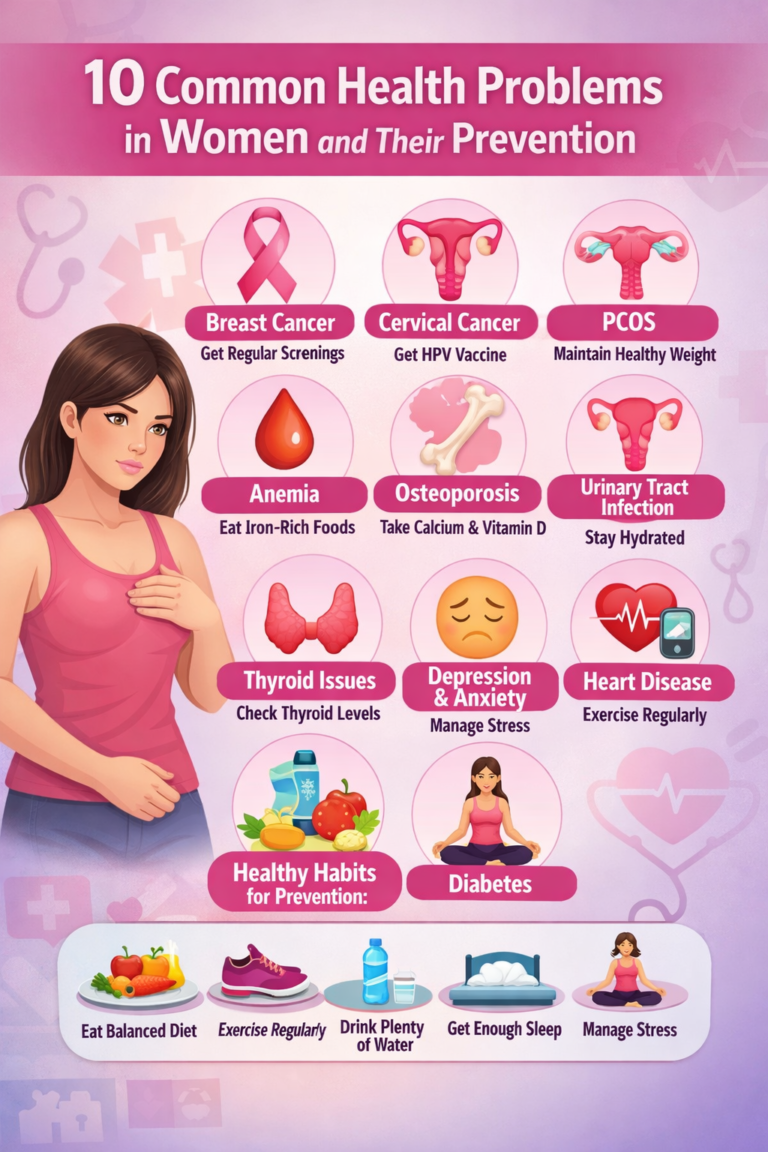
10 Common Health Problems in Women and How to Prevent Them
Women experience many biological and hormonal changes throughout different stages of life. From adolescence and pregnancy to menopause, these changes can influence physical and emotional health. Due to lifestyle factors such as stress, unhealthy eating habits, lack of exercise, and hormonal imbalance, women may face several health challenges.
However, many of these conditions can be prevented with awareness, healthy lifestyle choices, and regular medical checkups. Early recognition of symptoms and timely medical advice can greatly reduce health risks.
In this article, we discuss 10 common health problems that women may experience and effective ways to prevent them.
1. Breast Cancer
Breast cancer is one of the most commonly diagnosed cancers among women around the world. It develops when cells in the breast begin to grow abnormally and multiply without control, eventually forming a lump or tumor. Detecting the disease in its early stages significantly improves treatment outcomes.
Common Warning Signs
A lump or swelling in the breast area
Changes in the size or shape of the breast
Redness or irritation on breast skin
Unusual discharge from the nipple
Prevention Tips
Perform regular breast self-examinations
Schedule mammogram screenings when advised by a doctor
Maintain a healthy body weight
Stay physically active
Reduce alcohol consumption
2. Cervical Cancer
Cervical cancer affects the cervix, which is the lower part of the uterus. The most common cause is infection from the Human Papillomavirus (HPV). With proper screening and vaccination, this disease can often be prevented.
Symptoms
Irregular vaginal bleeding
Pelvic discomfort
Pain during sexual activity
Unusual vaginal discharge
Prevention Tips
Get vaccinated against HPV
Undergo regular Pap smear tests
Maintain proper reproductive hygiene
Practice safe sexual habits
3. Polycystic Ovary Syndrome (PCOS)
PCOS is a hormonal disorder that commonly affects women during their reproductive years. It can lead to irregular menstrual cycles and may also impact fertility.
Symptoms
Irregular or missed periods
Acne and oily skin
Excess facial or body hair
Weight gain
Difficulty conceiving
Prevention Tips
Follow a balanced and healthy diet
Maintain a healthy weight
Exercise regularly
Manage stress through relaxation techniques
4. Iron Deficiency Anemia
Iron deficiency anemia is very common among women, particularly during menstruation and pregnancy. It occurs when the body does not have enough iron to produce adequate red blood cells.
Symptoms
Constant fatigue
Weakness
Pale skin
Dizziness
Shortness of breath
Prevention Tips
Eat iron-rich foods such as leafy greens, lentils, and beans
Include vitamin C-rich foods to help absorb iron
Take iron supplements if recommended by a healthcare professional
5.Osteoporosis
Osteoporosis is a condition in which bones become weak and fragile. Women are at a higher risk, especially after menopause, due to a decline in estrogen levels.
Symptoms
Bone pain
Reduced height over time
Frequent fractures
Poor posture
Prevention Tips
Eat foods high in calcium
Ensure adequate vitamin D intake
Engage in weight-bearing exercises
Avoid smoking and excessive alcohol use
6. Urinary Tract Infection (UTI)
Urinary tract infections occur when bacteria enter the urinary system. Women are more likely to develop UTIs due to their anatomical structure.
Symptoms
Burning sensation while urinating
Frequent urge to urinate
Lower abdominal pain
Cloudy or strong-smelling urine
Prevention Tips
Drink sufficient water throughout the day
Maintain good personal hygiene
Avoid holding urine for long periods
Urinate after sexual activity
7. Thyroid Disorders
Thyroid conditions are quite common among women and can affect metabolism and hormonal balance. Both overactive and underactive thyroid conditions can impact daily life.
Symptoms
Sudden weight changes
Hair thinning
Persistent fatigue
Mood changes
Irregular menstrual cycles
Prevention Tips
Schedule regular thyroid screenings
Follow a balanced diet
Manage stress effectively
Ensure adequate iodine intake
8. Depression and Anxiety
Mental health is a vital part of overall well-being. Hormonal fluctuations, work stress, family responsibilities, and social pressures can increase the risk of depression and anxiety among women.
Symptoms
Continuous feelings of sadness
Lack of interest in activities
Sleep problems
Irritability
Difficulty concentrating
Prevention Tips
Practice meditation and yoga
Maintain strong social connections
Talk openly about emotional concerns
Seek professional counseling if necessary
9. Heart Disease
Heart disease is often considered a male health issue, but it also affects many women. Lifestyle habits, poor diet, and stress can increase the risk of cardiovascular problems.
Symptoms
Chest pain or discomfort
Shortness of breath
Fatigue
Pain in the neck, jaw, or arms
Nausea
Prevention Tips
Eat a heart-healthy diet
Exercise regularly
Monitor blood pressure and cholesterol levels
Avoid smoking
10. Diabetes
Diabetes is a long-term condition that affects blood sugar levels. If not controlled properly, it can lead to complications involving the heart, kidneys, and eyes.
Symptoms
Excessive thirst
Frequent urination
Blurred vision
Fatigue
Slow healing of wounds
Prevention Tips
Maintain a healthy body weight
Reduce sugar intake
Eat fiber-rich foods
Stay physically active
Monitor blood sugar levels regularly
Why Regular Health Checkups Are Important
Preventive healthcare plays an essential role in protecting women’s health. Routine medical examinations help identify potential health issues early, making treatment more effective.
Important Health Tests for Women
Blood pressure test
Blood sugar screening
Breast examination
Pap smear test
Thyroid function test
Bone density test
Regular consultations with healthcare professionals help women stay informed about their health and take appropriate preventive measures.
Healthy Lifestyle Tips for Women
Adopting a healthy lifestyle can significantly reduce the risk of many diseases. Small daily habits can lead to long-term health benefits.
Daily Health Tips
✔ Eat nutritious meals rich in fruits and vegetables
✔ Exercise for at least 30 minutes every day
✔ Drink enough water to stay hydrated
✔ Get adequate sleep each night
✔ Manage stress through relaxation techniques
✔ Avoid smoking and alcohol
Conclusion
Women’s health should never be neglected. Many health conditions such as breast cancer, anemia, PCOS, thyroid disorders, and heart disease can be prevented or managed through early detection and healthy lifestyle practices.
Regular medical checkups, balanced nutrition, physical activity, and mental well-being are key factors for maintaining good health. By staying informed and taking preventive steps, women can protect their health and enjoy a better quality of life.
Stree Welfare Foundation encourages women to prioritize their well-being and spread awareness about preventive healthcare in society.